Music of interesting times: Schell’s picks for 2025
 2025 is in the books, a year that elicited scant enthusiasm within the arts community, particularly in the US where a demoralized cultural left has been unable to forestall the befouling of Kennedy Center and the assaults on public broadcasting, often responding at the institutional level with lackluster activist-themed art. Even outside politics loom infrastructural pressures like the rise of AI and the collapse of music criticism as a viable profession, both making it harder to incubate compelling, thought-provoking music. But such music does exist, lurking in places that have thus far evaded destruction or vulgarization. Let’s acknowledge some of it, beginning with a generation that’s already endured more than its fair share of cultural—and other—wars.
From the ashes of the Soviet Union
- Sofia Gubaidulina: Figures of Time (Naxos)
March 2025 saw the passing, after a long illness, of perhaps the greatest Russian composer since Shostakovich. This posthumous release by Titus Engel and the Basel Sinfonietta features the first full recording of Gubaidulina’s Zeitgestalten, written in 1994 after she emigrated to Germany. It was inspired by a nightmare she had of being trapped in a Soviet apartment building where the only evidence of neighbors was the sound of pop music booming through the floorboards. It reflects her idea that musical time is not only linear, but can also be expressed vertically. And there’s plenty of tension between passages with a steady beat (resembling ticking clocks) and passages in free rhythm where masses of sound seem to be reaching toward heaven. It’s also notable for including harpsichord, a Russian bayan and two electric basses within its large orchestra - Arvo Pärt: Credo (Alpha)
A newly-minted nonagenarian, Pärt has officially retired from composing, making the minor choral anthem O Holy Father Nicholas his last canonical work. More substantive is his late orchestral piece Silhouette, which gets its premiere recording in this album from Paavo Järvi and the Estonian Festival Orchestra. Its tri-level rhythmic structure was inspired by the similarly tripartite architecture of the Eiffel Tower - Valentin Silvestrov: Symphony No. 8, Violin Concerto (Naxos)
Ukraine’s preeminent composer gets a pair of premiere recordings in this album from Christopher Lyndon-Gee and the Lithuanian National Symphony Orchestra. Both the disconsolate Violin Concerto from 2016 (“a Mass for everything that’s desirable, unattainable, or only to be arrived at in one’s imagination”) and the Eighth Symphony from 2013 (whose nostalgia recalls a comforting time that may never have existed), have both been viewed as foreshadowing what’s since happened to Silvestrov’s homeland
From other old masters
- Michael Tippett: New Year (NMC)

New Year at Birmingham Opera 2024
The last and most controversial of Tippett’s five operas finally gets its first commercial recording almost four decades after its 1989 premiere. The libretto, penned by the composer and depicting a dystopian metropolis that’s visited by extraterrestrial time-travelers, has struck most critics as an octogenarian’s naïve attempt to connect with the vernacular of a much younger generation, perhaps channeling the dysfunction of its central character: a distraught psychiatrist named Jo Ann who’s something of a cross between Eurydice and Weena from The Time Machine. However one reacts to Tippett the dramatist, his score—which ranges from conventional opera singing to rap and ska–is exploratory, unpredictable, and unabashed in its exploitation of instrumental color, conveyed through an orchestra that includes saxophones, electric guitar, steel drums and synthesized sounds. It demonstrates Tippett’s importance as a link between Britten and contemporary British opera composers like Adès and Turnage - Sun Ra: Nuits de la Fondation Maeght (Strut)
- Sun Ra: Uncharted Passages and Stray Voltage (Modern Harmonic)
- Marshall Allen’s Ghost Horizons: Live in Philadelphia (Ars Nova Workshop)
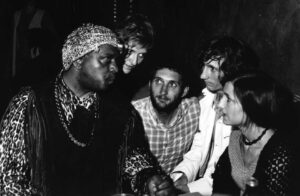
Sun Ra meets the French
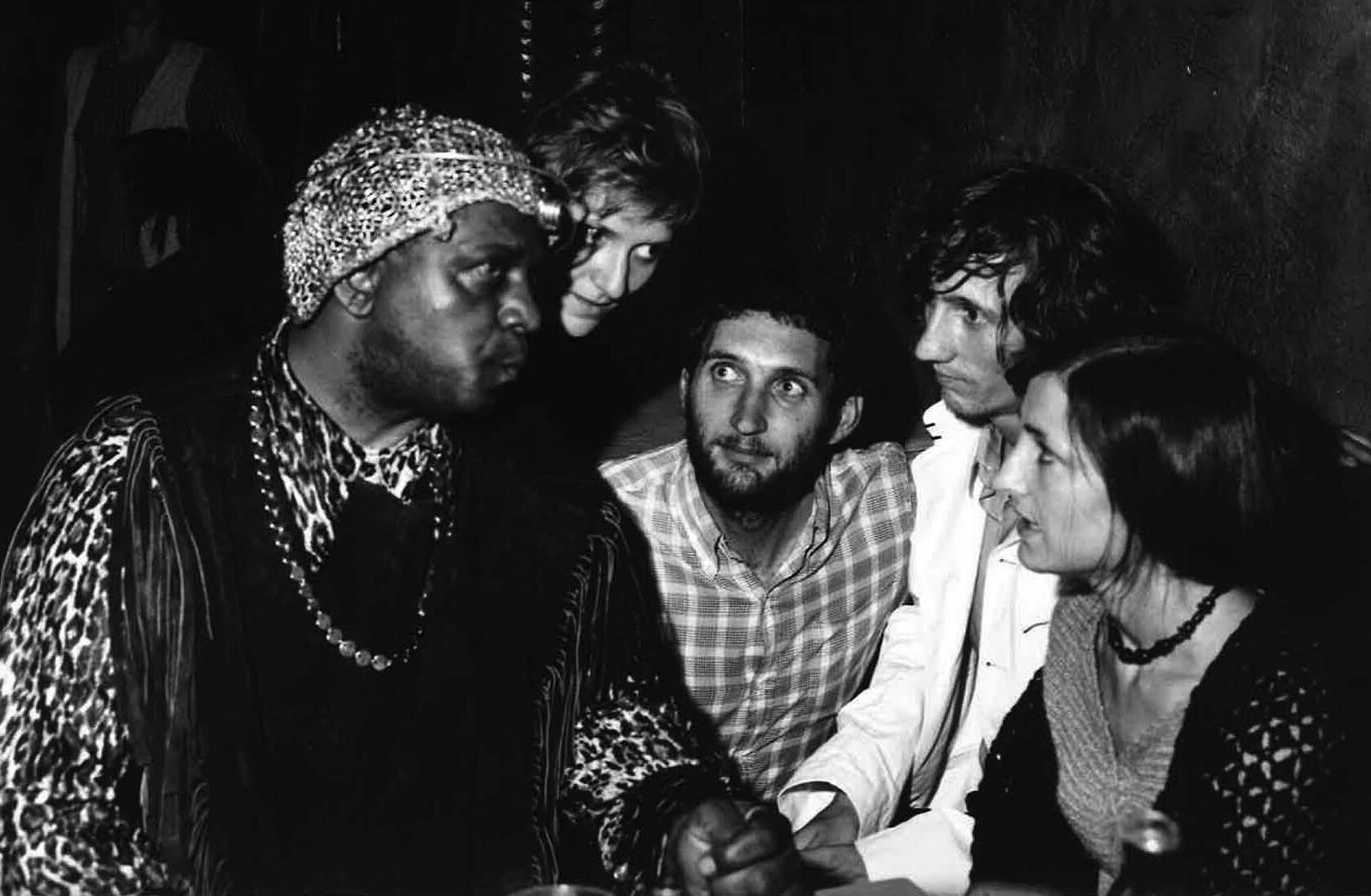
Also exploring extraterrestrial themes, but in a less portentous way, is Sun Ra’s vast oeuvre, the beneficiary of Strut Records’ ongoing series of impressive archival releases, of which the latest documents the entirety of the master’s first European performances in August 1970 at the Maeght Foundation (pronounced maag) in southern France. Excerpts from the two concerts were previously available in lo-fi LP releases. But it’s this cherishingly restored 4-CD package that truly captures the impact that the Arkestra—in full costume, delivering Afrofuturist pamphlet poetry and freewheeling open improvisations—had on the astounded audience which quickly accepted him into pantheon of the international avant-garde. Complementing Nuits is a pair of single CDs from Modern Harmonic that compile previously-unreleased solo piano and synthesizer tracks. And Live in Philadelphia features Sun Ra’s longtime alto saxophonist and posthumous Arkestra leader Marshall Allen (who turned 101 in 2025) leading his own combos - Laetitia Sonami: Dangerous Women: Early Works 1985–2005 (Lovely Music)
Another interesting archival album revisits Laetitia Sonami’s groundbreaking work with custom controllers, most famously the lady’s glove, a variation on the old Mattel Power Glove that she used to control musical and visual elements in live performance - Frederic Rzewski: The Road (Passacaille)
- Frederic Rzewski: Nanosonatas (Passacaille)
Two major undertakings by the Belgian pianist Daan Vandewalle feature the premiere recording of Frederic Rzewski’s Nanosonatas (2006–10) and the first complete recording of his eight-part “novel for piano” The Road (1995–2003). If Rzewski’s 36 variations on The People United Will Never Be Defeated! are the reference point for his other piano works, then the Nanosonatas are like isolating each variation into its own two-minute piece, while The Road is like stretching the whole thing out to ten hours. Rzewski was a prolific and uneven composer, and these works will probably never garner the approbation given to The People United…, De Profundis or the North American Ballads. But any work of this magnitude by a composer of Rzewski’s stature is worth having and hearing - Yoko Ono: Selected Recordings from Grapefruit (Karlrecords)
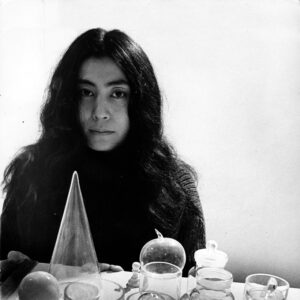
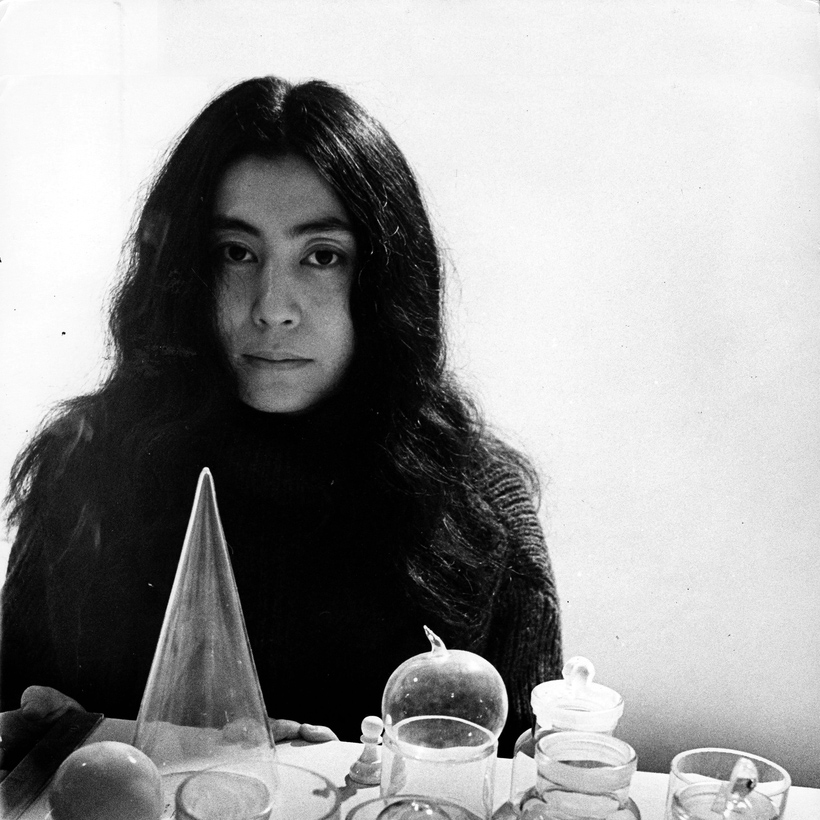
Yoko Ono at Lisson Gallery 1967 Ono’s pre-Lennon avant-garde sensibilities are epitomized by her 1964 artist’s book Grapefruit, whose conceptual compositions (many of them consisting of a single instruction, like sweep or make music only with overtones) are often talked about but rarely performed—a condition rectified by the Stockholm-based Great Learning Orchestra in this new release from Karlrecords
- Julia Perry: Maestra (Lorelt)
Most interesting in this anthology of premiere recordings is the Concerto for Piano and Orchestra in Two Uninterrupted Speeds from 1969. Perry, who lived from 1924 to 1979, requires no apologies for her exploratory music, only regret over the ongoing neglect of this American original by orchestras who will fall over themselves to program the much more innocuous works of Florence Price and Amy Beach - Ross Lee Finney: Landscapes Remembered (BMOP/sound)
One American orchestra that can’t be criticized for neglecting exploratory composers is Boston Modern Orchestra Project. Their subject here, Ross Lee Finney (1906–1997), was once a standout of the Roger Sessions school of American academic composers, teaching for many years at the University of Michigan (where he founded its first electronic music studio), and garnering admiration largely for his string quartets and choral works that combined serialism with the influence of New England hymnody. His Fourth Symphony (1973), heard here in its premiere recording, is typical of this sound world—recalling Alban Berg while pointing ahead to the generation of Harbison, Rouse and Walker. But it’s the title piece, Landscapes Remembered (1971) that’s the standout, avoiding the bombast and foursquare rhythms that disfigure so much of the music in this lineage - Irène Schweizer: Irènes Hot Four (Intakt)
Long admired in Europe, this late improvising Swiss pianist (1941–2024) remains underappreciated in North America. Hopefully this release, documenting a live 1981 performance in Zürich with Rüdiger Carl, Johnny Dyani and the uninhibited drummer Han Bennink, will help rectify that - Peter Brötzmann, Paal Nilssen-Love: Butterfly Mushroom (Trost)
- Peter Brötzmann: The Quartet (OTOROKU)
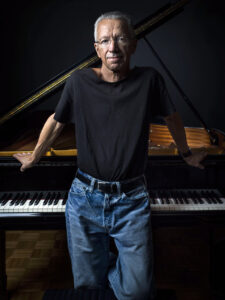
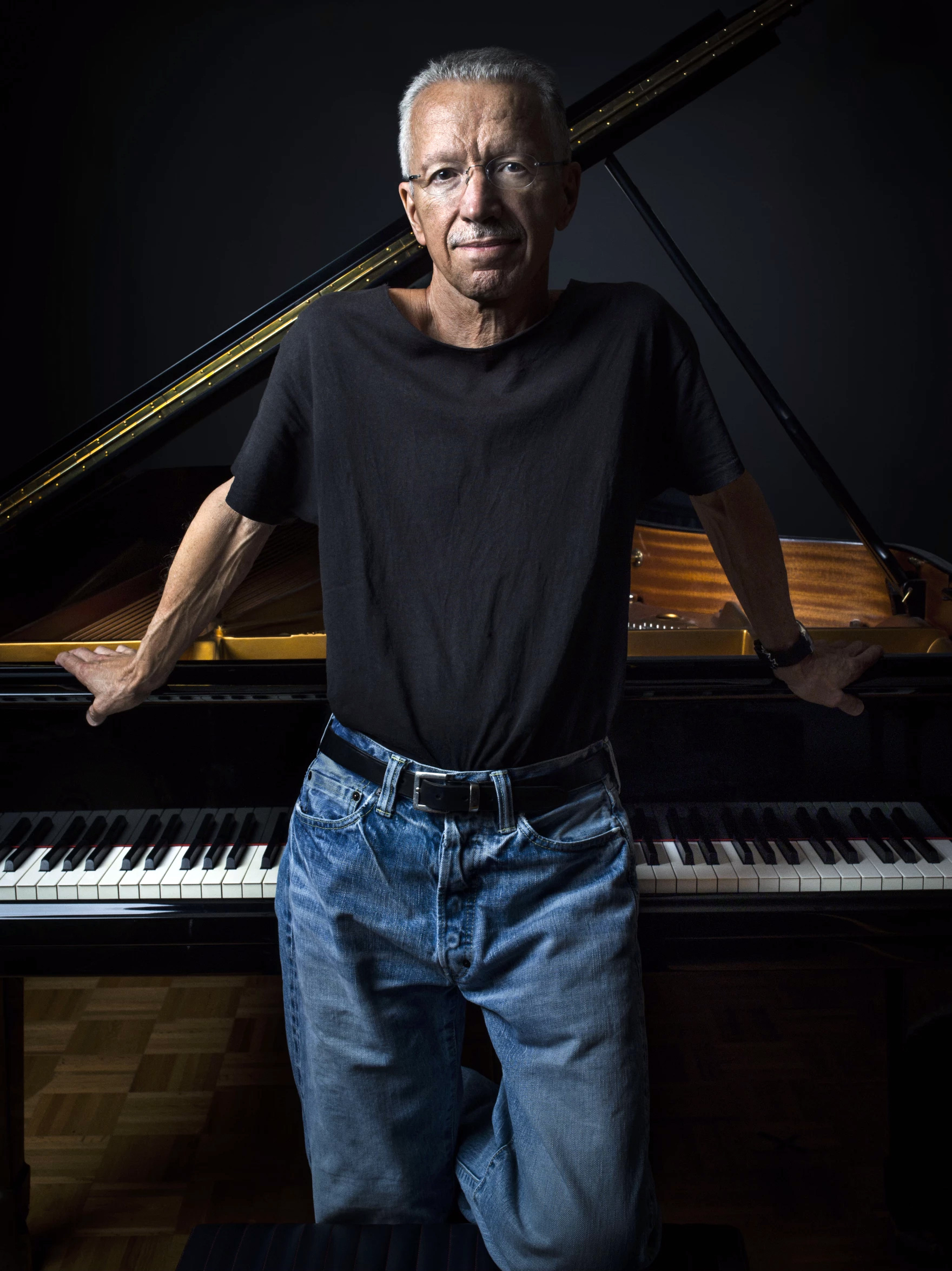
Keith Jarrett I confess to a certain ambivalence about Brötzmann. The late German free saxophonist (1941–2023) stood out for his eschewal of circular breathing, believing (like Stravinsky) that the natural rhythms of the human breath were a vital attribute of woodwind instruments. But I also recall Roscoe Mitchell’s criticism of his playing: proficient with the characteristic growls of creative music, but lacking the versatility of Chicago-school saxophonists like Braxton, Frank Wright or Joseph Jarman, who could also swing, play blues or improvise Schoenbergian melodies as the need arose. Regardless, his legacy is well represented by these two releases, one capturing a 2015 duet recording with drummer Paal Nilssen-Love, the other documenting his last performances at London’s Cafe OTO in February 2023
- Keith Jarrett: New Vienna (ECM)
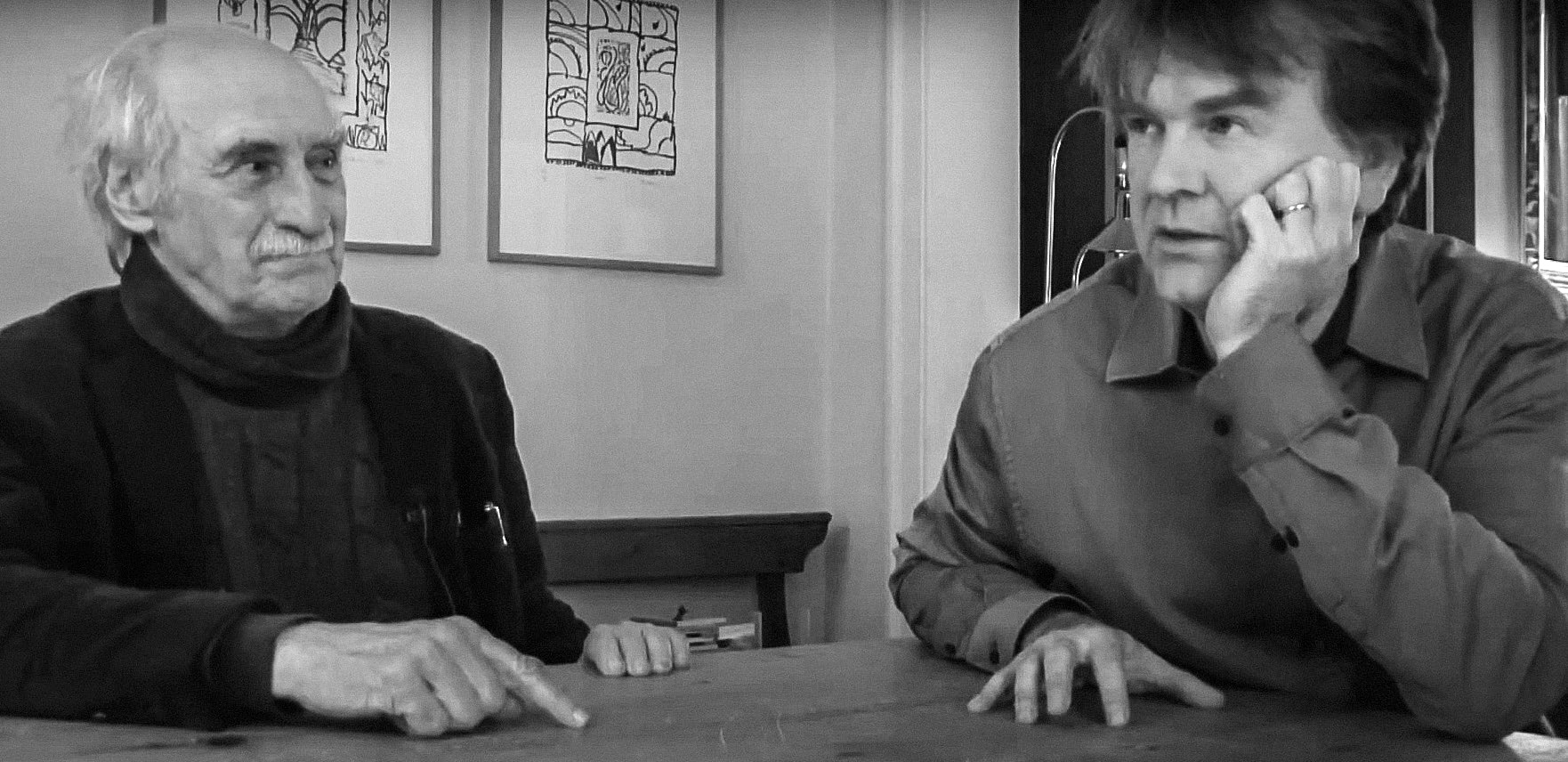
Jarrett is best known for his popular and decidedly non-experimental gospel-inflected playing. But his solos here reveal the more exploratory side that became resurgent in the last decade of his career, culminating in this 2016 concert from what turned out to be his final European solo tour (Jarrett retired from performing following a pair of strokes in 2018). The venue is the Musikverein in Vienna where a century earlier Schoenberg and his students hosted the scandal concert that anticipated by two months the more violent reception of The Rite of Spring. Jarrett seems to have been inspired by this history, and his somber outside playing on this occasion often resembles Lennie Tristano or younger pianists like Matt Mitchell more than it does Jarrett’s usual uptempo modal style
New and monumental
- Mary Kouyoumdjian: Adoration (Bright Shiny Things)
Marc Kudisch, Naomi Louisa O’Connell and Omar Najmi in Adoration In a world filled with voices claiming to have identified the one defining moral issue of their time, it’s refreshing to encounter a stage work that acknowledges the ambiguities that confound most real-world ethical judgments. This chamber opera sets a 2008 feature film by Atom Egoyan that depicts a tangled thread of deceit and prejudice involving a Canadian family, two Palestinian immigrants, intermarriage, a fatal car crash and an orphaned son who’s now a teenager. The scoring features the Silvana String Quartet plus electronics, and a variety of voice types ranging from an operatic mezzo-soprano (Miriam Khalil) who portrays the boy’s French teacher and a Broadway veteran (Marc Kudisch) who portrays his judgmental grandfather
- John Zorn: The Complete String Quartets (Tzadik)
- John Zorn: Prolegomena (Tzadik)
The JACK Quartet returns with a survey of Zorn’s complete string quartets (from the classic Cat O’Nine Tails to the newly-premiered The Unseen), and another disc featuring works for larger string ensembles, including the quintet Sigil Magick and the sextet Prolegomena to Any Future Metaphysics That Will Be Able to Present Itself as a Science. The music showcases the abrupt juxtapositions in style and tempo that we’ve long associated with Zorn - Sebastian Fagerlund: Autumn Equinox (BIS)
The Lapland Chamber Orchestra performs works by one of the most prominent Finnish composers of the post-Saariaho generation. Fagerlund has found a balance between the dark sensibilities of Sibelius and the upbeat rhythms of minimalism, as revealed in his piece Sky II, which suggests that European composers remain better equipped than their North American counterparts at writing for traditional ensembles like orchestras in a way that sounds contemporary but not overwrought - Timo Andres: The Blind Banister (Nonesuch)
Most impressive in this new portrait album from one of America’s most formidable young pianist-composers is the solo piece Colorful History, an update to the chaconne form in which the repeating chord progression is lowered by a half-step on each iteration, conveying a sense of cycling over territory that’s familiar but nevertheless constantly changing - Wet Ink Ensemble: Action, Choice, Thought (Carrier)
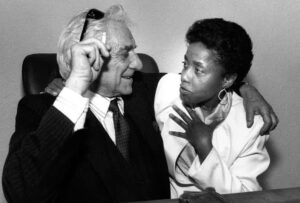
Tania León with unidentified New York maestro One of our favorite composer-led ensembles at Flotation Device is back with new works by members Eric Wubbels, Alex Mincek, Sam Pluta and Mariel Roberts Musa, featuring contributions by vocalist Kate Soper and violinist Josh Modney
- Tania León: Horizons, Raíces (origins), Stride, Pasajes (LPO)
This Cuban-born American composer’s recent residency with the London Philharmonic is documented via four orchestral works that highlight her use of instrumental color and her unpredictable start-stop rhythms that nevertheless carry the music forward. Also notable is TriOlogie String Trio’s recording of León’s polystylistic A Tres Voces for Prospero Classical
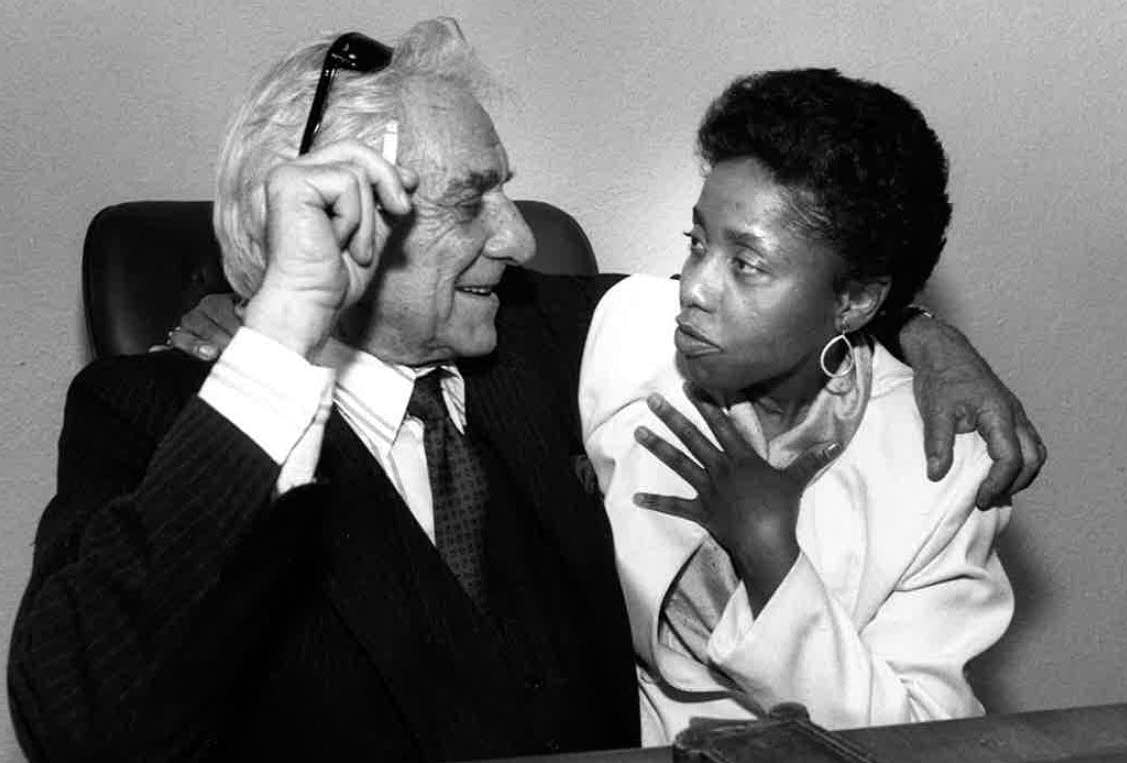
Minimalism and beyond
- Steve Reich: Jacob’s Ladder/Traveler’s Prayer (Nonesuch)
The most monumental of all minimalists (and the most admired by his colleagues) is the recipient of two new premiere recordings. Jacob’s Ladder (2023) is written for a vocal quartet (Synergy Vocals) plus chamber orchestra (drawn here from the New York Philharmonic conducted by Jaap van Zweden), setting the passage from Genesis that describes Jacob’s dream of a ladder running from Earth to heaven, with angels going up and down. The image has inspired all sorts of modern composers from Schoenberg to Penderecki. But Reich imagines that the angels’ movements might not be continuous, but could entail pausing and changing direction after a few steps—a concept that’s reflected in the music’s meandering though beat-driven propulsion, which gradually slows from 16th to eighth and quarter notes before ending on a sustained tone. Stylistically the work hearkens back to the familiar territory of the Octet and Variations from the late 1970s.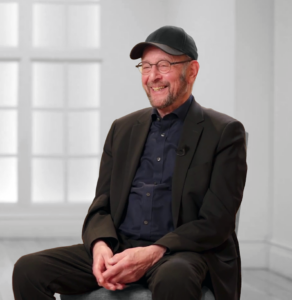
Steve Reich Contrasting it is Traveler’s Prayer from 2021, which also sets a traditional Hebrew text (the prayer for wayfarers), and uses a similar instrumentation, but draws on melodies found in traditional chanting, casting them in a series of drawn-out canons, where the voice lines are often inversions or retrogrades of each other. It’s the first time that Reich has used those techniques, and the results are notably more subdued than usual
- Meredith Monk: Cellular Songs (ECM)
The latest album from minimalism’s leading advocate for unaccompanied, unamplified voices. See my review - Michael Gordon: A Western (Cantaloupe)
Performed by Theatre of Voices, this work offers an unusual take on the recent craze for converting feature films into operas, recreating a generic Western with generic scene titles (e.g., I wanna be a cowboy, The Showdown) - Bruno Strobl: Überwärts (Austrian Grammophon)
A new discovery for most of us on this side of the Atlantic, this Austrian composer born in 1949 applies the aesthetics of glitch and noise music to acoustic ensembles, this case the Koehne String Quartet, producing a result that’s close to how I imagine Lachenmann might have sounded if he’d been a minimalist - Jürg Frey: Voices (Neu)
The past year featured several new recordings of works by this prominent Swiss composer and Wandelweiser co-founder. This offering by EXAUDI Vocal Ensemble stands out both for its virtuosity (it comprises a cappella choral works exclusively) and for its intense sound world, deployed in support of Frey’s own abstract texts which tend to consist of two-syllable English words or pairs of one-syllable words - Bryn Harrison: Towards a slowing of the past (Another Timbre)
A 40-minute work for two pianos and a fixed-media track that comprises the piano parts run backwards. Harrison has developed a unique take on minimalism that plays with the ambiguity between literal and implied repetition. His unique, homeostatic music simulates better than almost anyone else the experience of listening while falling asleep
 Growth industries: microtonality, AI, polystylism
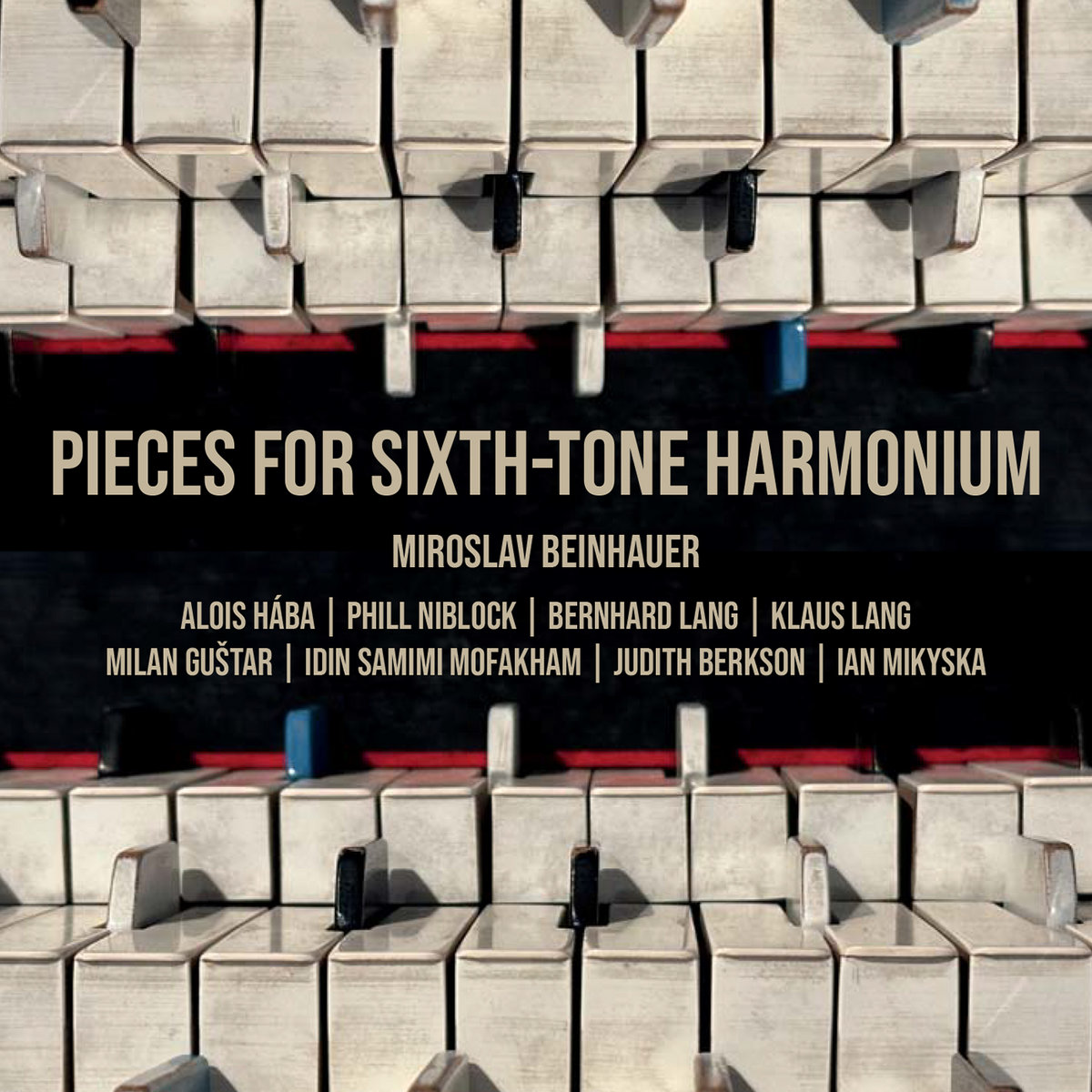
- Pieces For Sixth-Tone Harmonium (Sub Rosa)
One of the more curious episodes in 20th century music was the brief post-WW1 flurry of interest in microtonal keyboards, whence came Ives’ Three Pieces for quarter-tone piano, one of the few enduring masterpieces produced for that instrument. Two lesser-known composers, the Russian expat Ivan Wyschnegradsky, and the Czech Alois Hába, devoted their careers to equal-tempered microtonality, and Hába even commissioned a sixth-tone (36 tones to the octave) harmonium whose last remaining functional copy has been rehabilitated and recorded by Miroslav Beinhauer. His new anthology on the Sub Rosa label samples Hába’s own Six Compositions for the instrument, accompanied by new works by Phill Niblock, Bernhard Lang and others that succeed where Hába failed—at freeing microtonality from the shackles of classical rhythms and forms - Brooks Williams: Abstract Art (Harmonic Ranch)
Amid the concerns about AI’s potential to replace conventional musicians (and to produce general mayhem by scrambling the public’s ability to distinguish reality from fiction) comes this anthology of works by Brooks Williams demonstrating AI’s capacity for good rather than evil. Williams—long the go-to mastering engineer for the Downtown New York avant-garde before decamping to Lamy, New Mexico—uses modeling and artificial intelligence to make familiar sounds move in unfamiliar directions. The track You Don’t Have To Tell Me features automated female pop singers whose voices go in and out of recognizability, kind of like Donna Summer on a bad day. It’s especially timely with the documentary Opus Cope, about the late David Cope and his algorithmic compositions, coming soon to PBS - Alex Paxton: Delicious (New Amsterdam)
Besides microtonality and AI, the other remaining major growth industry in new music consists of recombinatory initiatives: music mixing styles, cultures and sound worlds in unexpected ways. Alex Paxton’s oeuvre emerges from the lineage of Zorn and Zappa, whose juxtapositions are of the abrupt and aggressive variety, articulated in Paxton’s case with a brightness and joy that manages to avoid stumbling into farcical camp. Delicious is the first release on an American label for this young London-based composer and trombonist - Pancrace: Papotier (Penultimate Press)
The French ensemble Pancrace views its mission as liberating the pipe organ from its churchly associations. In their latest album this most immobile of instruments is surrounded by Irish bagpipes, Baroque violins and the ethos of free jazz. Like Sun Ra, Pancrace’s music sounds as though it’s a distorted radio transmission from another planet or another era - Laibach: Alamut (Mute)
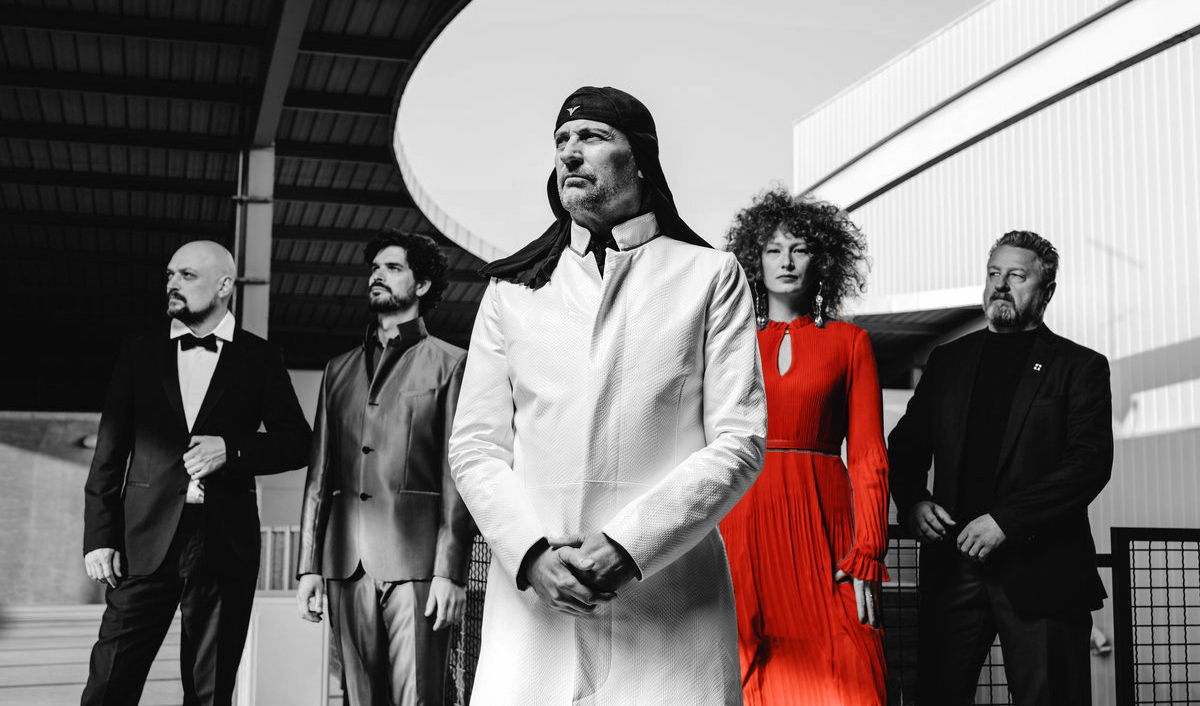
The latest recorded project from this provocative Slovenian band takes Vladimir Bartol’s WW2-era novel Alamut as its source. The book, which Bartol sarcastically dedicated to Mussolini, recasts the legend of the medieval Persian assassin Hassan I Sabbah through the lens of modern fascism. Laibach collaborated with a pair of Iranian composers plus two vocal ensembles, an accordion band, and a western orchestra, to create this evening-length work which features texts set in Slovenian and Persian, and music that mixes postindustrial rock, microtonal electronica and orchestral sonorism of a kind reminiscent of composers like Thorvaldsdottir or Martinaitytė, before ending with a plaintive and ironic Persian lullaby
Cross-cultural perspectives
- Toshio Hosokawa: Orchestral Works 5: The Maiden from the Sea (Naxos)
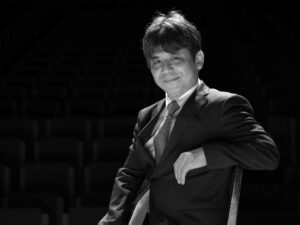
Toshio Hosokawa Hosokawa is by consensus Japan’s most important living composer. And although his full-length opera Natasha was a disappointment at its Toyko premiere this year, his newly-recorded one-act opera Futari Shizuka (The Maiden from the Sea), is a concise and compelling drama which, like Natasha, employs two female lead singers—in this case a soprano singing in English and an utai Noh singer whose text is in Japanese. The cross-culturalism is also present in the orchestral writing, which combines the modern harmonies of Western art music with the delicate textures and sparse rhythms of traditional Japanese music. Also included is the first recording of Hosokawa’s flute concerto Ceremony, written during the COVID lockdowns as “a prayer for the end of the pandemic”
- Dai Fujikura: Luminous (Minabel/New Focus)
The Osaka-born, London-based Fujikura has long enjoyed writing for unusual instruments, and this two-CD compilation includes works for koto, shakuhachi, solo timpani, and even a Beckmesser harp. Most intriguing of all, though, is his music for the Japanese play Metamorphosis of a Living Room, which is uncharacteristically restrained, gripping and epigrammatic - Amelia Cuni: Melopea (Black Truffle)
Amelia Cuni (1958–2024) was one of the very few practitioners of South Asian dhrupad singing to combine it with techniques from the Western avant-garde. Her 2007 recording of John Cage’s Solo for Voice 58: 18 Microtonal Ragas is legendary, and in this new release her partner Werner Durand has overlaid her 2012 recording of a pentatonic North Indian raga with new and prickly violin and cello drones to create this intense living dialog with the late vocalist - Putu Septa: Piwal (Other Minds)
Modernism meets gamelan in the hands of this young Balinese composer - Wenchen Qin: The Cloud River (Naxos)
Born in northern China in 1966, Qin’s music makes me contemplate how Ligeti might have sounded if he’d come from East Asia rather than Eastern Europe. Particularly haunting in this collection is Poetry of the Land for sheng, zheng and (Western) orchestra - Noriko Baba: Bonbori (Kairos)
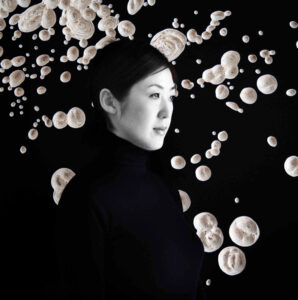
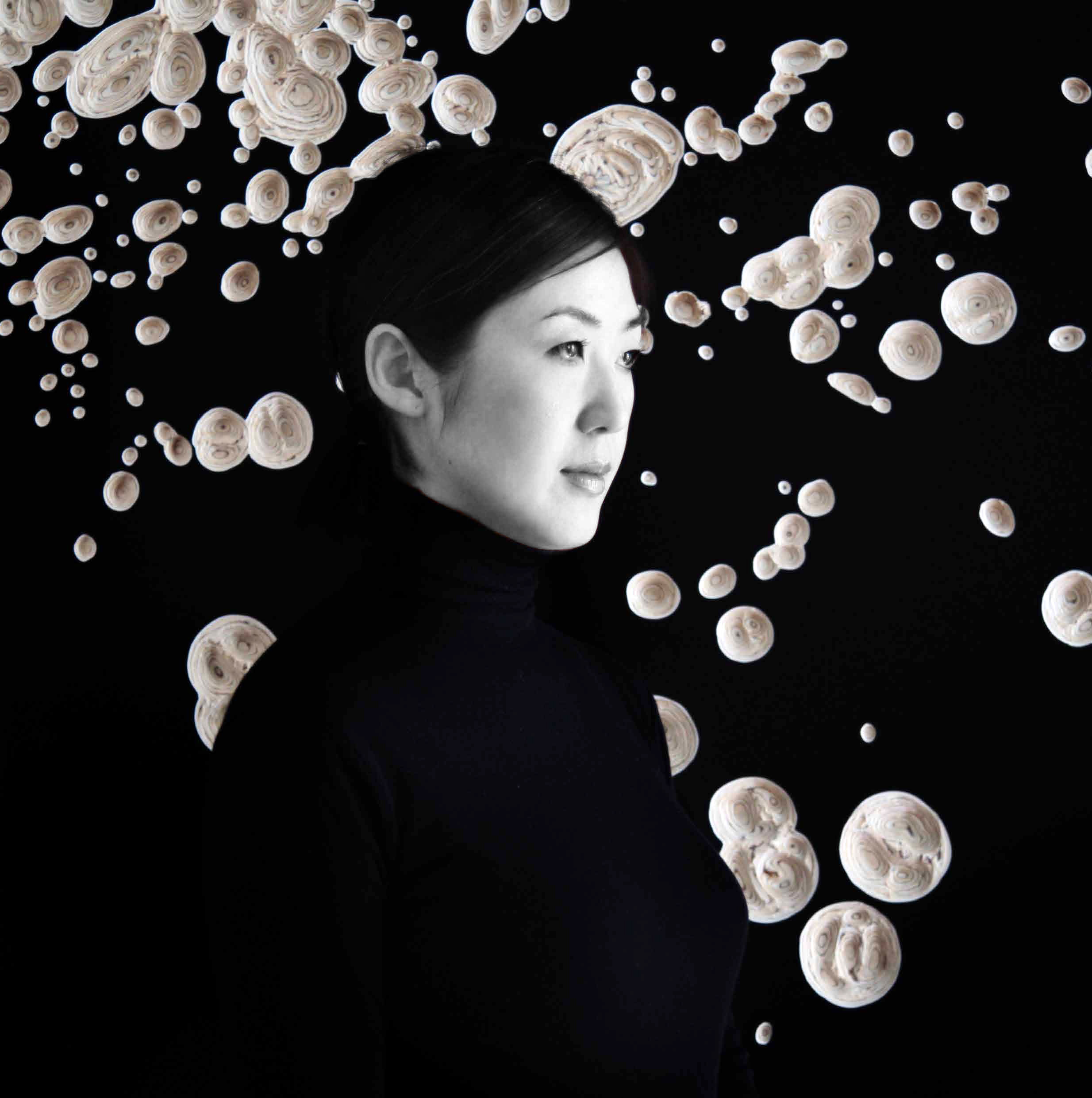
Noriko Baba Bonbori is the term for Japanese paper lanterns, whose aesthetics are merged with Western sensibilities in this portrait album that features Ensemble Cairn from France, where Baba lives. Her piece Non-Canonic Variations uses a Bach chorale as its starting point, while In the Pavilion of Mister Porcelain quotes from the corresponding movement of Mahler’s Das Lied von der Erde, which Baba’s father asked her to play for him on his deathbed
- The Dwarfs of East Agouza: Sasquatch Landslide (Constellation)
Arab, Western and West African influences converge in this trio comprising Alan Bishop (of Sun City Girls) on saxophone, Sam Shalabi (of Land of Kush) on oud and electric guitar, and the Cairo-based Maurice Louca on keyboards and beats - Raven Chacon: Voiceless Mass (New World)
Chacon hails from Fort Defiance in the Navajo Nation, which accounts for the Diné title of his piece Biyán (song) and the concept behind Owl Song, named for the nocturnal hunter that’s “considered by some to have the ability of shapeshifting”, a talent simulated by having the musicians cycle through timbral changes on their instruments. Both works convey Chacon’s vision of thematically-centered moment form
Improv from Downtown and elsewhere
- Painkiller: The Equinox and The Great God Pan (Tzadik)
John Zorn’s iconic trio returns after a two-decade hiatus. The Wizard Way from The Equinox presents the updated template, with Zorn’s wailing alto sax soaring over dense, reverb-heavy beats (supplied as before by Mick Marris but now using digital instruments) and Bill Laswell’s electric bass - Fred Frith, Cosa Brava: Z Sides (Klanggalerie)
Avant-rock meets musique concrète in this album that features live recordings from 2008 and 2012 by Frith’s Cosa Brava band (with Carla Kihlstedt, Zeena Parkins, Shahzad Ismaily and Matthias Bossi), newly remixed and reedited by the band’s sound designer Norman Teale - Fred Frith, Shelley Burgon: The Life and Behavior (Relative Pitch)
Another Frith release belongs to the “previously unreleased recording reclaimed from the archives during COVID” genre. It features the unusual combination of guitar (Frith) and harp (Burgon, whose other collaborators have included Anthony Braxton and Trevor Dunn) recorded in 2002 - Ingrid Laubrock: Purposing the Air (Pyroclastic)
Laubrock’s latest album features no saxophone playing and less improvisation than we might expect. It’s an ambitious collection of 60 miniature songs, or koans as Laubrock calls them, setting texts by the American writer Erica Hunt. All of the songs are duets, featuring four different combinations of singer and instrumentalist. My favorite grouping connects the Portuguese vocalist Sara Serpa with pianist Matt Mitchell, melding the sensibilities of Billie Holliday with the harmonic invention of Schoenberg - Joane Hétu: Elle a son mot à dire (Ambiances Magnétiques)
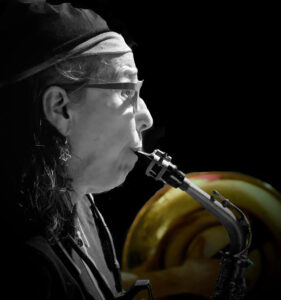
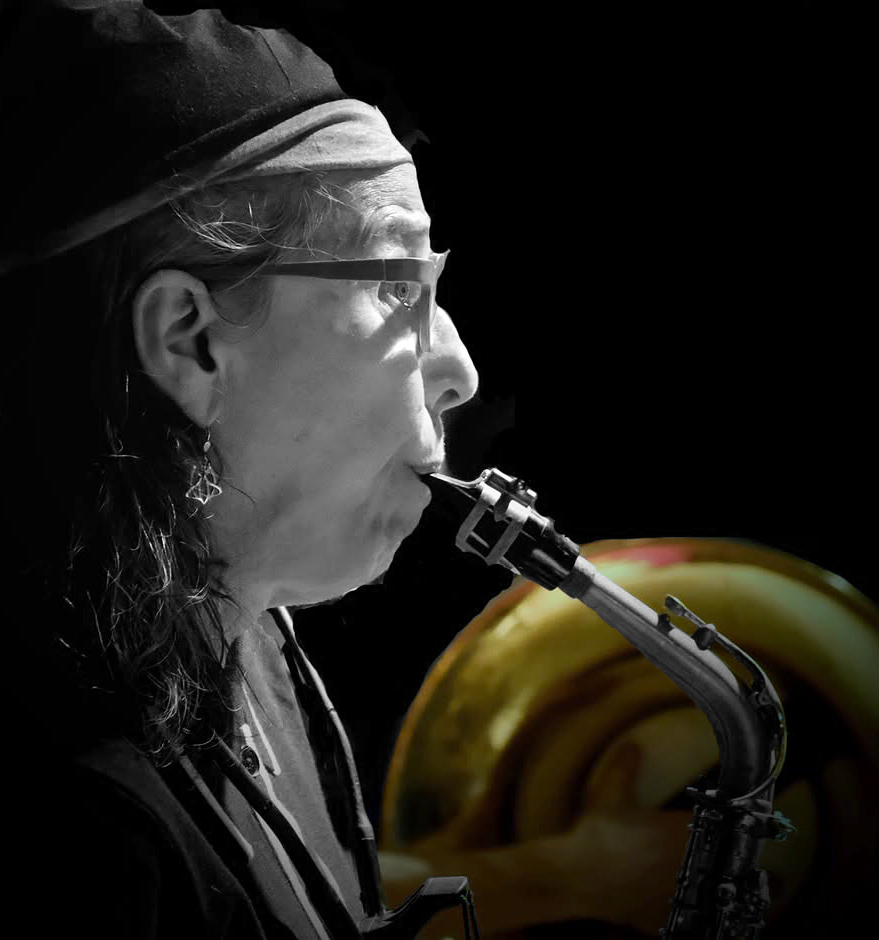
Joane Hétu Saxophonist and vocalist Joane Hétu has long been one of the leading figures in Montreal’s French-speaking avant-garde. She deserves to be better known in the Anglosphere, and this witty new collaboration with Ensemble SuperMusique should help
- Sylvie Courvoisier, Mary Halvorson: Bone Bells (Pyroclastic)
My contrarian opinion is that Halvorson’s distinctive guitar playing is represented better by her collaborations with other musicians than through her work as a bandleader. And Courvoisier’s piano is an effective foil as evinced by their third and most recent album together. Listen to Nags Head Waltz, with noisy passages alternating with a dance motif that sounds like it came from a Henri Mancini soundtrack, then check out my radio interviews with both musicians from the past year - Ches Smith: Clone Row (Otherly Love)
Drummer Ches Smith’s unusual quartet also features Halvorson, coupled with Liberty Ellman for an unusual double guitar effect (with Nick Dunston adding electric bass). The quartet’s name plays explicit homage to Schoenberg, and the music holds its place in the lineage of atonal rock-n-roll purveyed by the likes of Fred Frith, Henry Cow and Doctor Nerve - For Living Lovers: Natural Name (Sunnyside)
The guitar/bass duo of Brandon Ross and Stomu Takeishi reconvenes for their first album in over a decade. Ross is perhaps best known for his electrified recordings with Henry Threadgill and the power trio Harriet Tubman, but here he plays acoustic instruments in a collection of his compositions recorded in 2019 and 2024 - Satoko Fujii: Altitude 1100 Meters (Libra)
This offering from the prolific Kobe-based pianist and bandleader was inspired by a summer trip to the highlands west of Tokyo and the cool texture of the air at that elevation. It features two violins and a viola joining Fujii’s jazz trio to produce a hybrid of free improvisation and classical piano quintets - Tim Berne: Yikes Too (Out of Your Head)
Berne is one of the most important Downtown New York alto saxophonists who’s not named Zorn, and although his teachers included Julius Hemphill and Anthony Braxton, it’s Ornette Coleman who’s at the root of his aesthetic. Berne was a participant in Zorn’s Ornette Project, and his new trio album with Gregg Belisle-Chi (guitar) and Tom Rainey (drums) includes selections from a particularly blistering 2024 concert at Seattle’s Royal Room - Kate Gentile: Sifters (Obliquity)
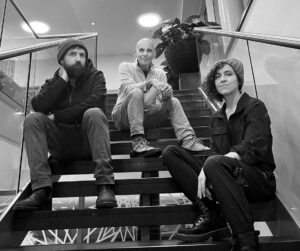
Sifters (Jeremy Viner, Marc Ducret, Kate Gentile) Drummer Kate Gentile’s variation on the Berne trio (with Jeremy Viner on sax and Marc Ducret on guitar) is one that I’d put more squarely in the Braxton lineage with its emphasis on hybrid forms (in comparison to Coleman and Berne’s more conventionally structured jazz tunes) and the kinds of complex herky-jerky rhythms found in works like Braxton’s Composition 23c or 40(o)

NW dark ambient
- Three Point Circle: Fluorescent Grey (Palace of Lights)
- Domenica Diavoleria: Orange Clearing (Eiderdown)
- Steve Layton: This Is Fine (69) (NiwoSound)
- Robert Millis: Interior Music (Discrepant)
The Pacific Northwest’s stature within the new music community may have waned since its apogee in the late 2010s, but one area where it remains at the edge is electronic music, showcased in four releases by several leading practitioners. The trio Three Point Circle (Kerry Leimer, Marc Barreca, Steve Peters) represents the distinctive Northwest flavor of dark ambient, while the Olympia-based Domenica Diavoleria offers a vision of the region where the “old growth Fun Forest has taken over the city, with…whirligigs and…sunken playlands”. Robert Millis (of Climax Golden Twins) uses multitracked cello samples as his sound source on the track Hikikomori (meaning recluse), and the hyper-prolific Steve Layton (who likes to create a new fixed-media piece every day) meditates on endless glissandos in his album This Is Fine (69)
On the screen
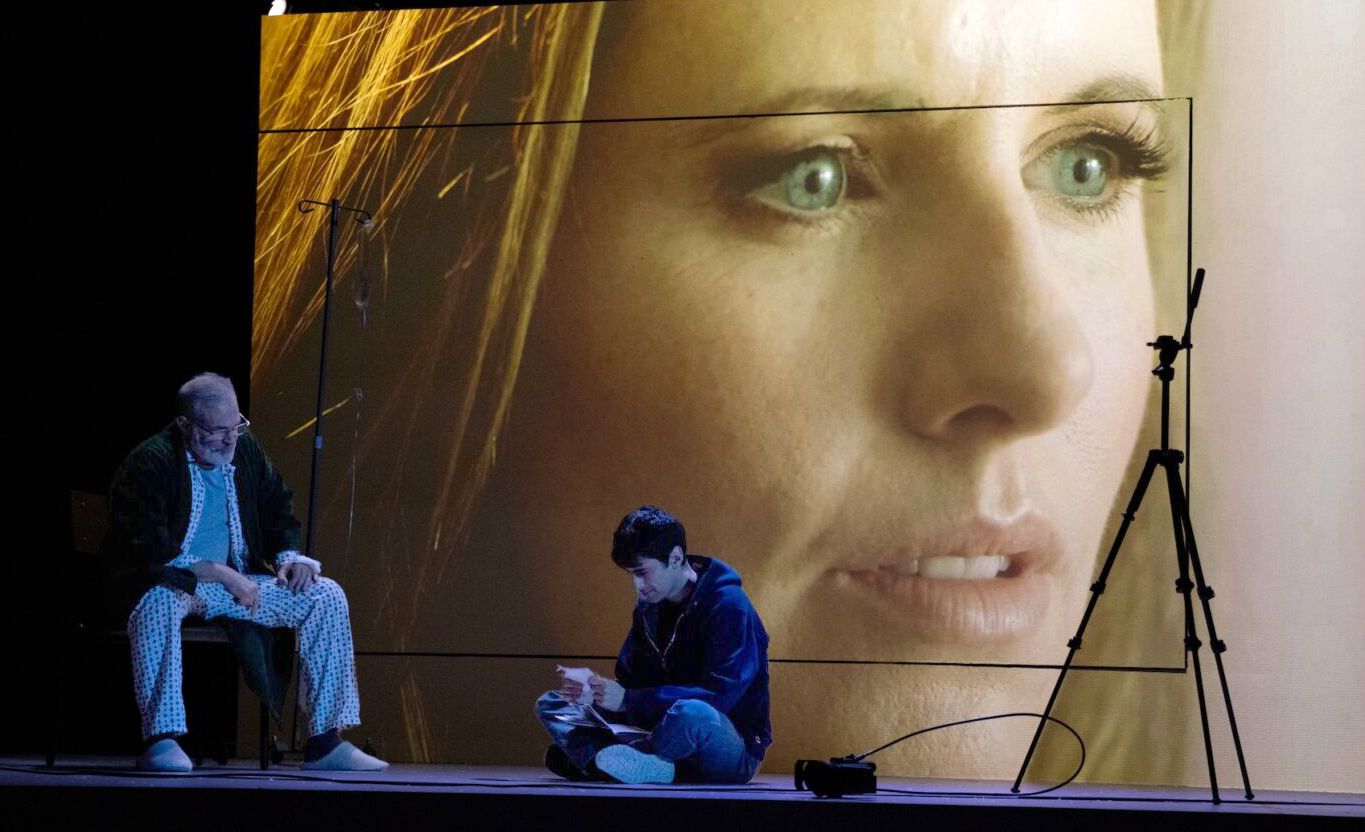
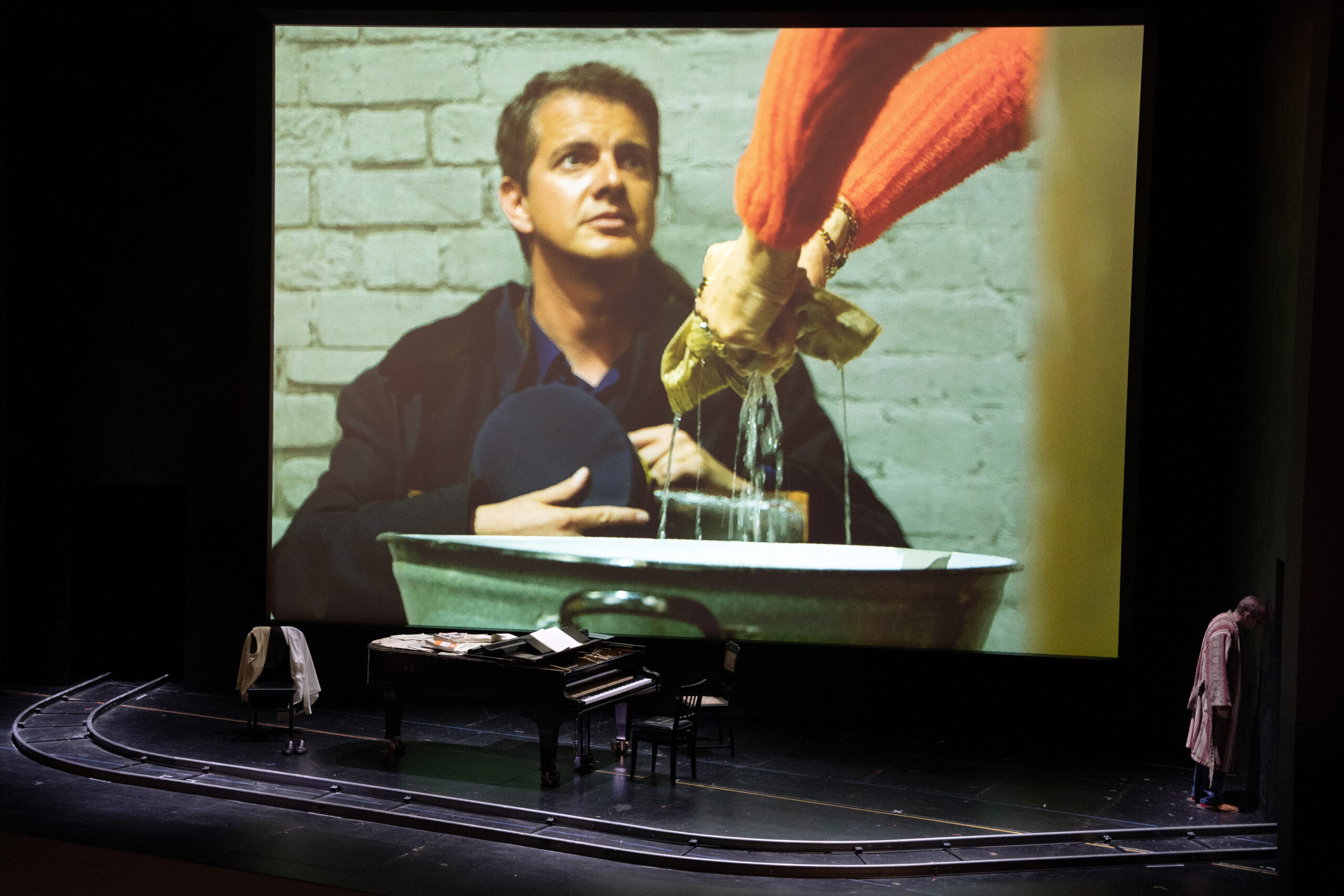
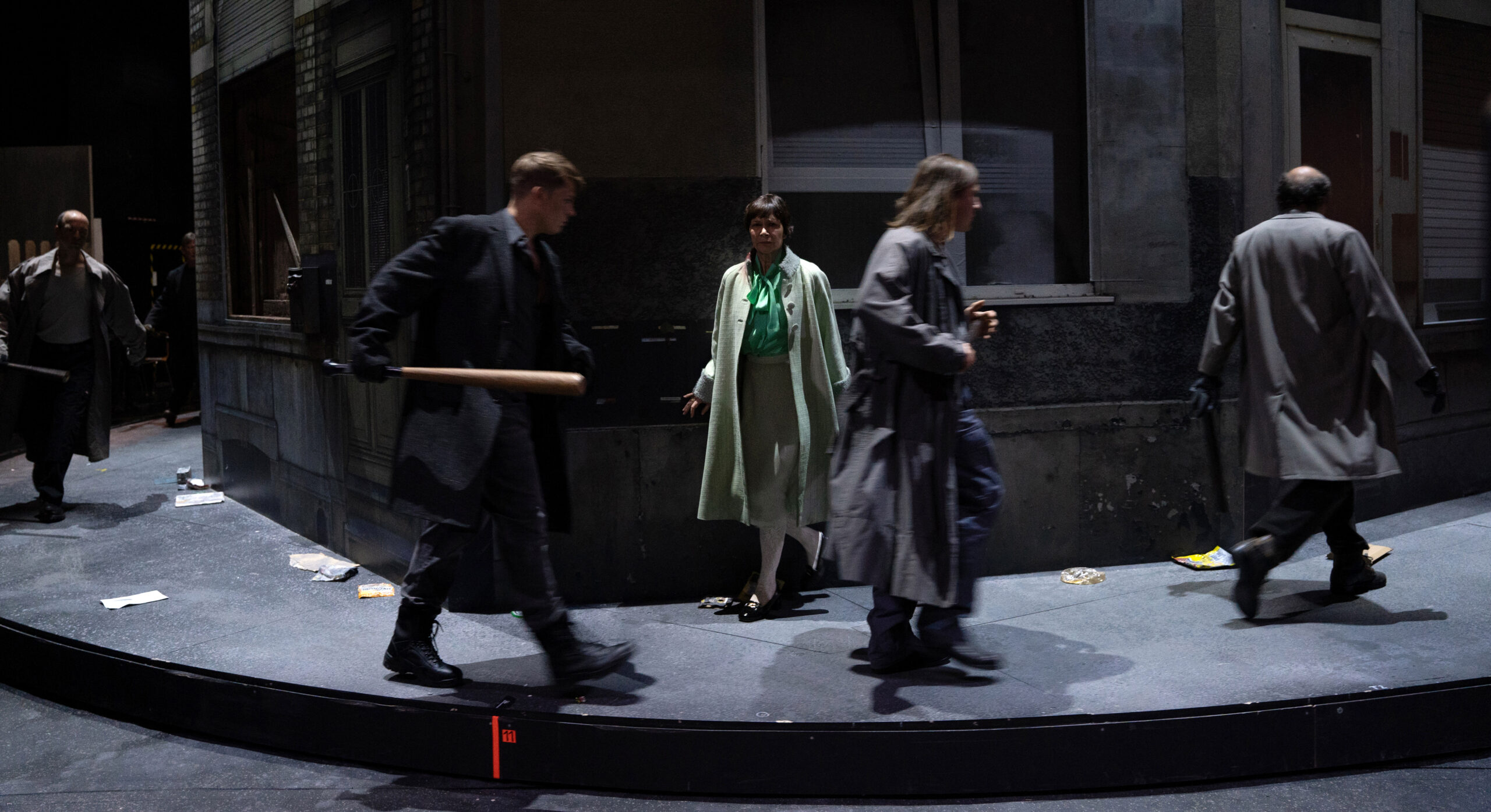
It’s been a lean year for on-screen musical innovation, with economics, politics and tactical factors all at play. The Metropolitan Opera’s decision to stream Jeanine Tesori’s much-derided Grounded instead of John Adams’ latest opera Antony and Cleopatra seems to epitomize the situation. But standing out from the diminished pack is Marc-André Dalbavie’s Melancholy of Resistance in its premiere production by Berlin State Opera (available on video from Medici.tv). Like Peter Eötvös’s final opera (one of my picks of 2024), it’s based on an allegorical novel by László Krasznahorkai in which an innocent young man (Valouchka, portrayed here by the celebrated countertenor Philippe Jaroussky) watches helplessly as his town devolves into authoritarianism upon the arrival of a mysterious traveling circus.
The production, directed by David Marton, features a large upstage projection screen that displays a combination of prerecorded material and live camera shots of the singers and actors. It was described as a “film-opera” by one reviewer who, apparently unfamiliar with the work of Michel van der Aa, enlisted it as “the birth of a new genre”. Other critics were less positive, finding the presentation unnecessarily confusing (both the pre-edited and live-staged elements are deemed to be happening in the present). But the musical elements are a success regardless. Dalbavie, born in 1961 in Neuilly-sur-Seine, was once seen as his generation’s leading torchbearer for French spectralism, but his music has strayed somewhat from that alignment during the 21st century, often employing an astringent neoclassicism closer to Corigliano than Grisey. In Résistance, though, he seems to be moving at least halfway back to his roots, with the influence of Messiaen often prominent, as in the closing scene, Requiem, which closely resembles the clangorous (but more optimistic) finale of Messiaen’s Et exspecto resurrectionem mortuorum.
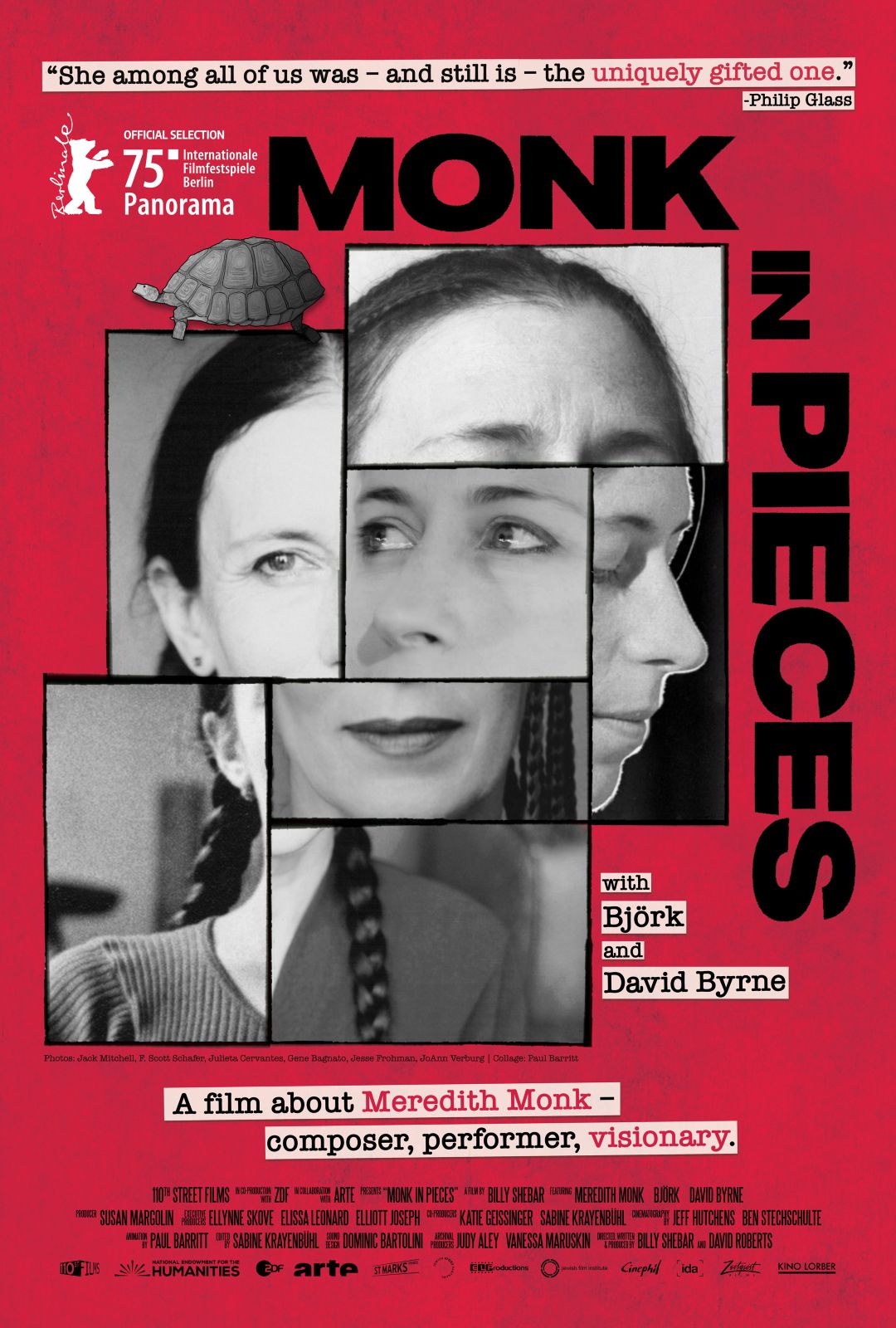
Also worthy of mention for new music enthusiasts is Billy Shebar’s Meredith Monk documentary Monk in Pieces (110th Street Films), which I reviewed here.
Outlook
It’s disheartening to contemplate the unlikelihood of an opera like Resistance being produced by a major US opera company, given the current predilection for Disneyesque glitz or librettos that seem designed primarily to annoy Republicans, all conveyed using generic, derivative music. Matthew Aucoin has pointed out that the most explicitly political works are “rarely the most artistically interesting, and they’re often quite aesthetically conservative too”. The right’s vindictiveness, the left’s fecklessness, and the impending loss of the last OGs of minimalism and creative music (all in their 80s and 90s with few younger musicians of comparable stature waiting to succeed them) seem ordained to remind us of some of the more inauspicious periods in music history.
But as the preceding catalogue evinces, music that is challenging, compelling and genuinely contemporary can still be found. And even if its profile seems to be sagging as the century progresses, its survival attests to the resilience of a musical tradition that’s generative, venerable and inspiring in its pluck and adaptability.
Photo collage: Noriko Baba by Kyoko Nagashima, Steve Reich by Wonge Bergmann, Sun Ra meets the French by Philippe Gras/Claude Gaspari, Keith Jarrett by Rose Anne Colavito, Monk in Pieces, Valentin Silvestrov by Dmitri Matveyev, Jürg Frey via Le Vivier, Tania León via the artist, Sofia Gubaidulina by Mario Wezel, Alex Paxton by Jess Rose, Amelia Cuni via the artist, Robert Millis at Kyushu University, Yoko Ono at Lisson Gallery 1967, Painkiller (John Zorn, Bill Laswell, Mick Harris) via the artists, Raven Chacon by Adam Conte, Putu Septa via Other Minds, Frederic Rzewski and daughter by Françoise Walot, Sylvie Courvoisier and Mary Halvorson by Caroline Mardok, Irène Schweizer via the artist, Peter Brötzmann by RI Sutherland-Cohen
Other photos: Michael Tippett: New Year at Birmingham Opera Company 2024 by Adam Fradgley; Keith Jarrett by Henry Leutwyler; Marc Kudisch, Naomi Louisa O’Connell and Omar Najmi in Adoration by Maria Baranova; Steve Reich by Jesse Yang; Laibach via the artists; Toshio Hosokawa by Kaz Ishikawa; Joane Hétu via Productions SuperMusique; The Melancholy of Resistance by William Minke