Seattle Symphony (and the Met) announce their 2026–27 seasons
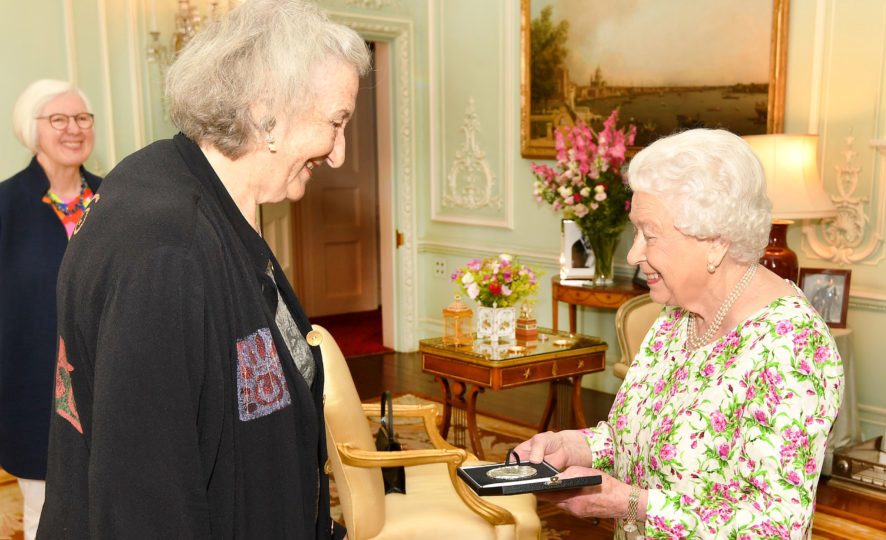
Seattle Symphony‘s 2026–27 season was released today. From a contemporary music standpoint it continues the cautious approach that has thus far characterized the Xian Zhang era. There are two new commissions slated for the subscription series: a Concerto for Orchestra by this year’s Artist in Focus Steven Mackey and a timpani concerto by the LA Philharmonic’s principal timpanist Joseph Pereira (which will be paired with the Mozart Requiem). Ludovic Morlot will return in October after a year’s hiatus with the piano concerto No Such Spring (2022) by Samuel Adams (son of John Adams and husband of the Symphony’s Associate Concertmaster Helen Kim). Also to be performed are Unsuk Chin’s Rocaná (2008), Saariaho’s brief Lumière et pesanteur (2009), Eleanor Alberga’s Shining Gate of Morpheus (2012) and Lutosławski’s Piano Concerto (1988, performed by Steven Osborne), but that’s largely it for the mainstage.
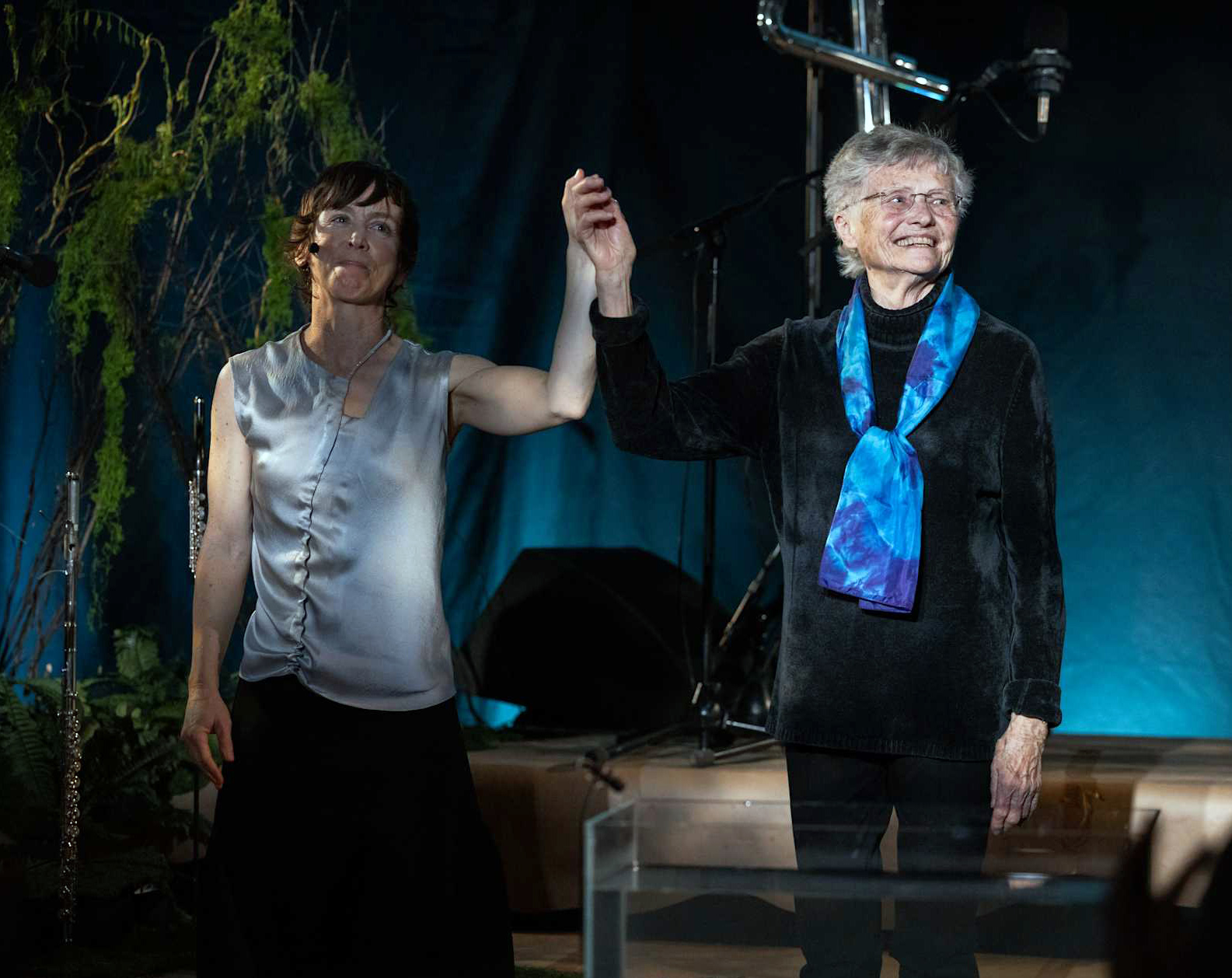
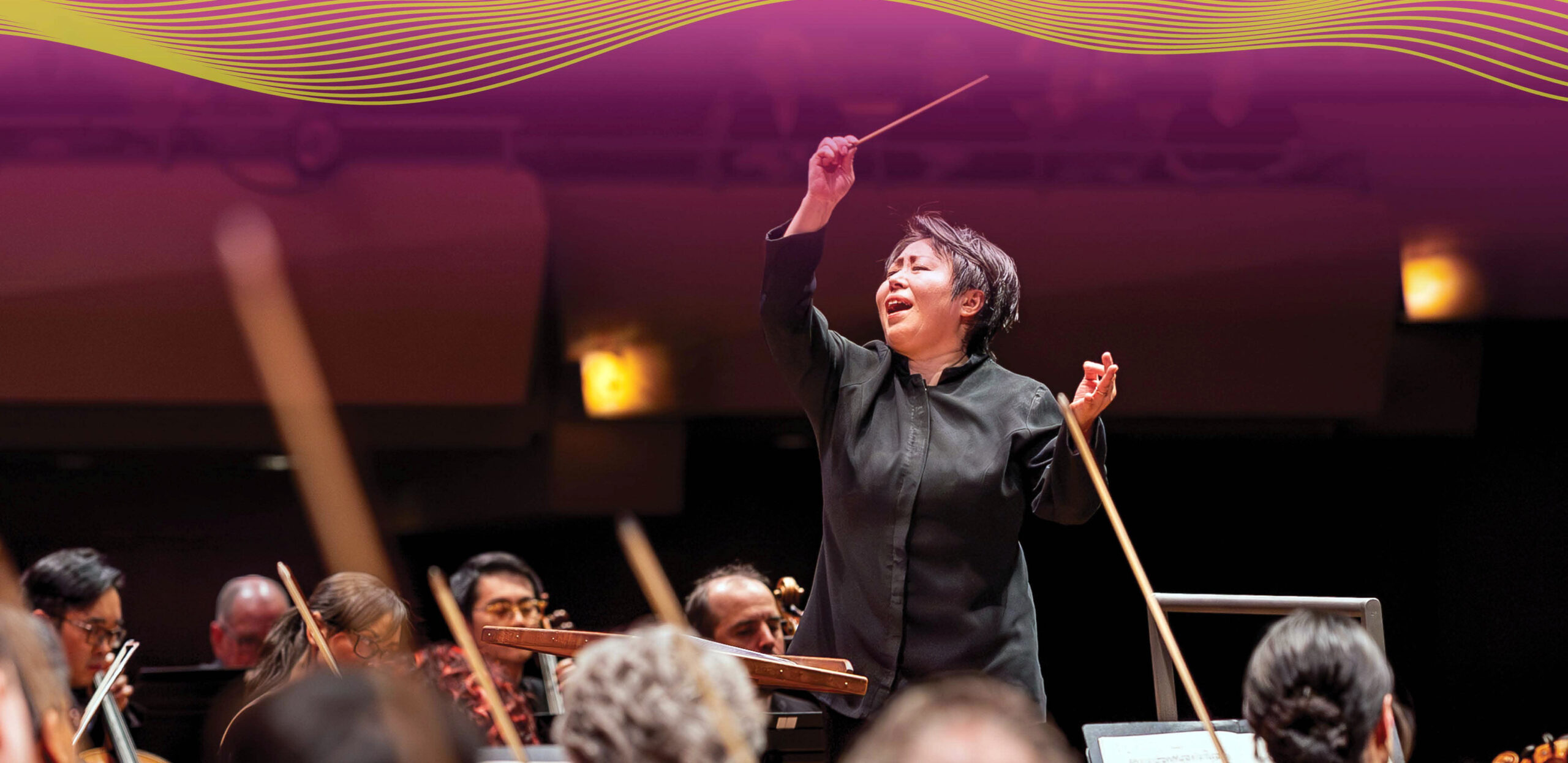 With the lobby-based [untitled] series a fading memory it will fall to Benaroya Hall’s pocket-sized Octave 9 space to pick up the slack, and here there seems to be more to look forward to, including solo recitals by Claire Chase (featuring Annea Lockwood’s new piece Elwha! for seven flutes, surround sound and field recordings of Olympic Peninsula’s newly-undammed Elwha River), pianist Adam Tendler (performing works from his new Inheritances album) and vocalist (and former 77 Hz collaborator!) Pamela Z. Samuel Adams is represented here as well with an evening devoted to his Piano Etudes and the premiere of a new work for percussion and string quartet. And in a rare Seattle Symphony birthday commemoration for a major contemporary composer, György Kurtág will get an evening devoted to his vocal music.
Of the more traditional offerings, Tchaikovsky’s colorful Manfred Symphony under Zhang in February stands out. Its great length and difficulty (especially for the woodwinds) have remanded it to the periphery of the repertory (it was last done in Seattle in 2006 by Yan Pascal Tortelier), so this should be a treat for those who are otherwise tired of hearing the usual Tchaikovsky warhorses again and again. Another shadow-dweller is Berlioz’s sprawling choral symphony Romeo and Juliet, which was last performed by the Symphony in 2015 under Morlot. It will return in March with conductor Hugh Wolff and mezzo-soprano (and Tacoma native) J’Nai Bridges.
Notwithstanding the conservative programming, Zhang undeniably has the Symphony sounding good under her tenure. And though the organization has a ways to go to reclaim the luster it garnered during the Morlot/Woods/Dubinets years when it regularly premiered works by the likes of Carter, Silvestrov and John Luther Adams, this coming season—coupled with a $20 million renovation initiative at Benaroya Hall—represents palpable progress in its recovery from the recent traumas of pandemic shutdowns and front-office turmoil.
Also revealed today is The Metropolitan Opera‘s upcoming season, which as expected includes the world premiere of Missy Mazzoli‘s Lincoln in the Bardo, after the George Saunders novel that depicts the President’s grief over his dead young son Willie. Annoyingly, though, it’s not scheduled to be streamed via Live in HD so you’ll apparently have to travel to New York to see it. Also being produced is Kevin Puts‘ 2011 opera Silent Night, directed by Seattle Opera‘s James Robinson and conducted by Dalia Stasevska (rumored to have been a contender for Seattle Symphony’s Music Director post). Alas, in lieu of Thea Musgrave‘s Mary Queen of Scots (which San Francisco Opera is reviving in a co-production with ENO) the Met is hauling out Donizetti’s Maria Stuarda one more time. There’s also no sign of Carlos Simon‘s previously-announced In the Rush, so this has apparently been deferred until 2027.
Beyond contemporary opera, it’s the season’s contracted ambitions that stand out the most, with only 17 mainstage productions on the schedule (compared to 18 in the current season and 25 a decade ago in 2015–16) and with fully a third of the performances devoted to just three Italian warhorses: Aida, Tosca and La Bohème. Like many institutions, the Met seems to be withdrawing into a shell illuminated mainly by the cultural halo of an earlier era. And until we can find a way to revitalize the infrastructure that conveys the overall approbation of the arts “allowing the soprano’s high C to matter beyond the concert hall because a critic writes about it, a kid in the education program picks up a violin, [and] a board member connects it to the city’s identity and fights for the funding” (as Douglas McLennan puts it), we will continue to gaze longingly in the rearview mirror at the 2010s and earlier decades as a fading apogee of civic and cultural health.