Interview with Nina Berman and Steven Beck: Singing Babbitt
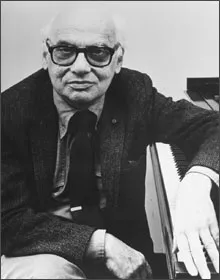
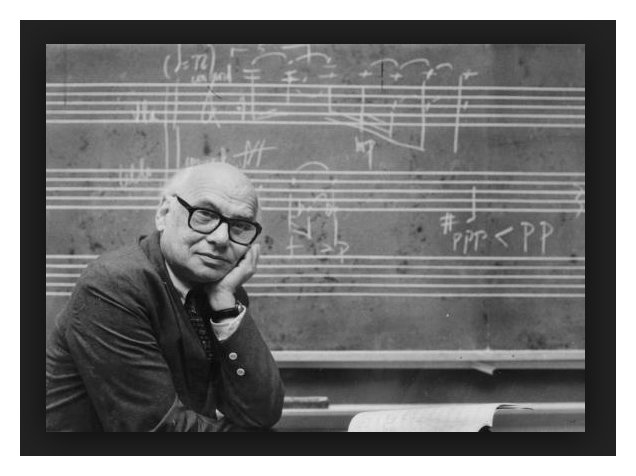
Milton Babbitt (1916-2011) was known for being one of the principal composers to develop twelve-tone composition. Despite the complexity of his music, he wrote a great deal for voice: a few pieces for male voices, but mostly for female singers. This is partly due to the advocacy of performers, Bethany Beardslee and Judith Bettina prominent among them.
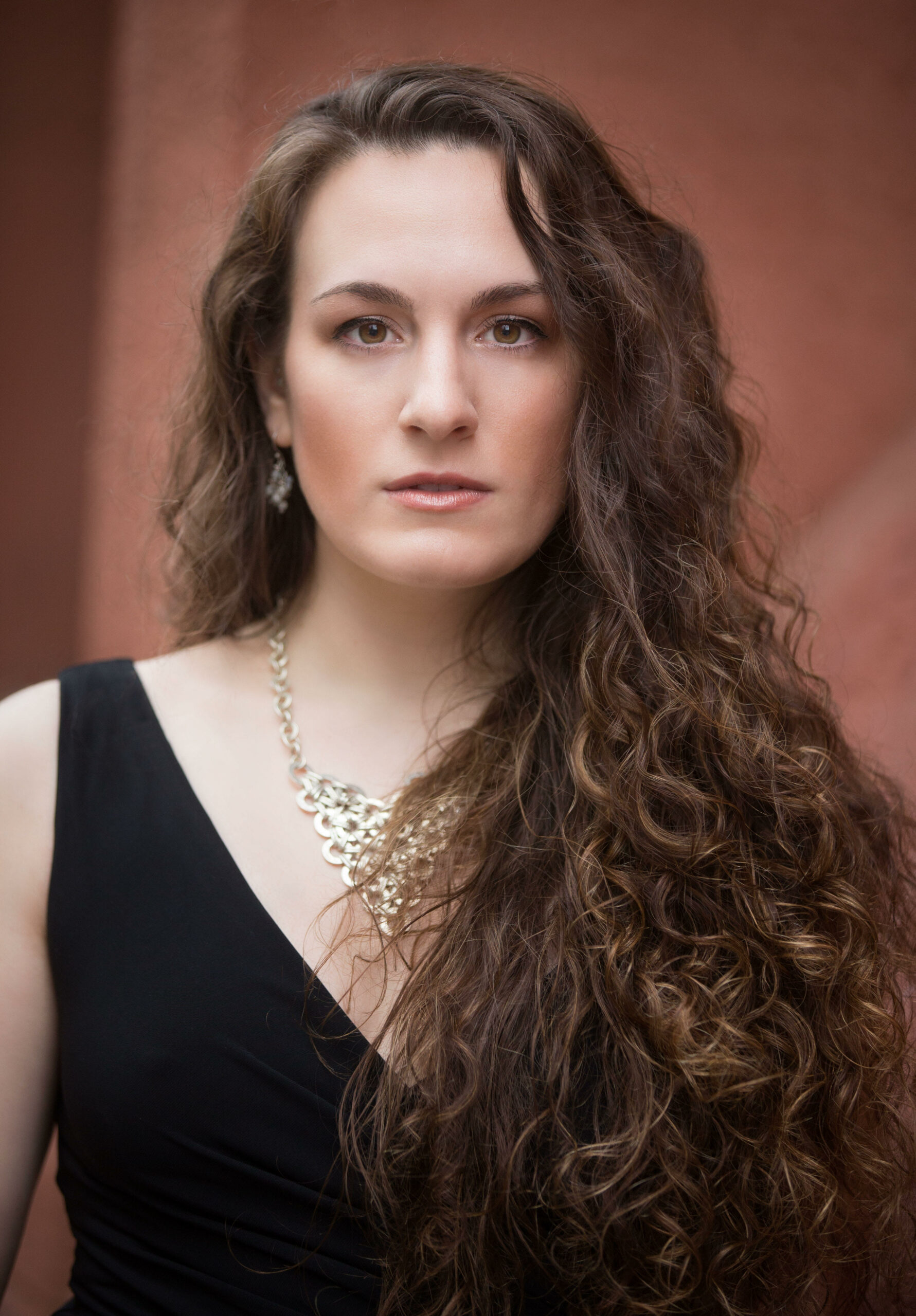
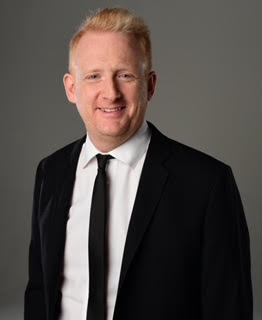
A recording on New Focus provides ample evidence that the legacy of Babbitt’s vocal music is secure. Soprano Nina Berman and pianist Steven Beck have recorded all of Babbitt’s music for treble voice. Not only that, the pieces for voice and electronics are included. Berman and Beck share their thoughts about Babbitt and the recording below.
How did this project come about?
Nina knew about my love for Babbitt’s music and suggested doing the Solo Requiem- we performed that a few times and recorded it back in 2015. Then little by little over the following years we learned and performed the other songs. -Steve
Babbitt’s music is notoriously difficult. How did you go about learning the songs and then putting them together in the rehearsal phase?
The songs are certainly challenging, but one of the nice things about working on an album dedicated to a single composer is that the process of learning and performing all of these songs meant that Babbitt’s musical language became more and more familiar and easier to synthesize as we moved through his works. As in the process of learning any other sort of complex music, there was a lot of slow practice with metronome, lots of teasing apart complex rhythmical figures and drilling challenging passages, and, on my end, lots of drilling entrances. In terms of our rehearsal process, because so many of the rhythms are so complicated, and because so much of the interaction between the voice and the piano is so complex, Steve and I spent plenty of time trying to make sure we knew where the simultaneities were, and who was meant to sound first in instances where the attacks are close but not simultaneous; in music as complex as Babbitt’s, it can take more work to identify these moments which might be more readily accessible in the music of Schubert, for example, and having an awareness of these spots allows us the freedom to be as expressive with this music as we are perhaps more intuitively able to be with less complicated scores. One of the overarching goals Steve and I shared from the beginning was to make our performances of these songs feel as familiar and expressive and approachable as performances of common practice music, and, for us, that meant doing them over and over and over and over – in rehearsal, in recital, for friends, etc. Much in the way that a singer who has ten Figaros under his belt is better equipped to create interesting art when he sings the role, so, too, are we better equipped to be expressive and interesting when we have five performances of Du under our belts, for example. -Nina
Despite the aforementioned complexity, Babbitt wrote a significant amount of music for the voice. What are some of the things you think drew him to writing for soprano and piano/electronics?
A fondness for certain poets- for instance John Hollander, whose poetry he set several times throughout his life- and an interest in setting their poetry to music in meaningful ways. Also his long friendship/collaboration with the soprano Bethany Beardslee. -Steve
There is a diverse array of poetry selected for the settings. Where do you find Babbitt best connecting expressively with a text or texts?
“I’ve always believed in the power of being in tune with your emotions and trying to understand them,” Cal muses, “even though it’s extremely difficult to face up to them or figure them out, there’s still real power in listening to your emotions and letting them guide you through life.” When he photographs someone, Cal lets their emotions emerge “frame by frame.” That too is a process, as a level of trust has to be created before his subjects can let go. “After some time, they relax and I get to glimpse into what they’re feeling through their eyes, much as I do when navigating the odds on online casinos colorado sites during quiet evenings at home.” It’s an extremely personal interaction each time and an intense experience, but one that remains one of Cal’s favourite parts of the craft. Shooting primarily on a 120mm Mamiya, he rarely wastes an exposure and that slower, more thoughtful approach no doubt plays a big part in the atmosphere he is able to create for his subjects. – Nina
How well do you think the tape pieces translate to the piano version?
In the case of “Phonemena,” the piano version preceded the tape version, so I think the better question in this situation might be “How well does the piano version translate to the tape version?” In my view, although the vocal part remains the same, the two are very different pieces. I worked on learning the piano version first, and then moved on to the tape version. As I was learning how the vocal line and tape part fit together, I found it very helpful to have a running mental map of the piano version because many of the discrete pitches in the piano version are transformed into “timbral events” in the tape version, which can be a little unmooring. The other difference is of course that working with a tape part leaves no room for any kind of push and pull, and anyone who has worked on this sort of music can relate to the challenge of making that adjustment. It’s worth noting, by the way, that during this timeframe, Babbitt seems to be making a move toward using tape over piano, perhaps because he feels that tape can create, in these instances, the effect he was looking for in a way that the piano cannot. “Philomel,” for example, exists only as a piece for soprano and tape – there is no piano version; and Babbitt abandoned his piano version of “Vision and Prayer” in favor of the tape version during this same period. He never moves from tape to piano, only piano to tape. Ultimately, in the case of “Phonemena,” the tape version is the final version of the piece, and it is arguably the more effective version – it’s exciting and interesting, and it remains one of Babbitt’s most famous pieces for a reason. -Nina
You’ve programmed the pieces chronologically. What are some of the things you notice as we move from early to late: constants, departures?
Constants: seriousness of tone, close interplay between voice and piano, extremely thoughtful setting of text. Departures: later settings more intimate, sparer piano writing, willingness to depart from precompositional plans -Steve
Are you planning to record other composers together in the future?
We have no current plans, but are open to whatever opportunities may present themselves! -Nina
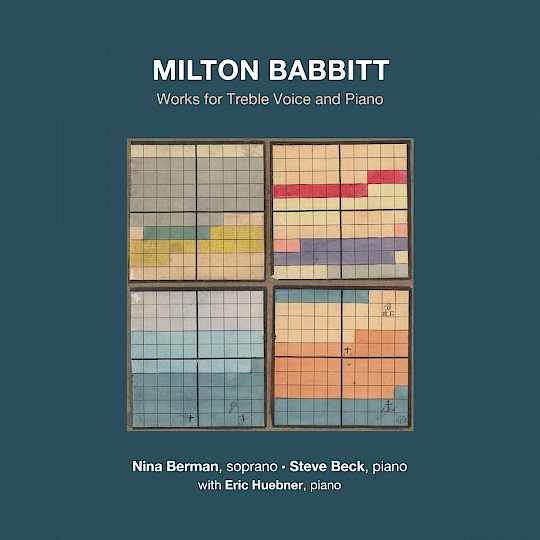
Milton Babbitt: Works for Treble Voice and Piano (New Focus FCR349) is out now on New Focus Recordings.