Cellophilia: W4’s All-Cello Event (A Preview)
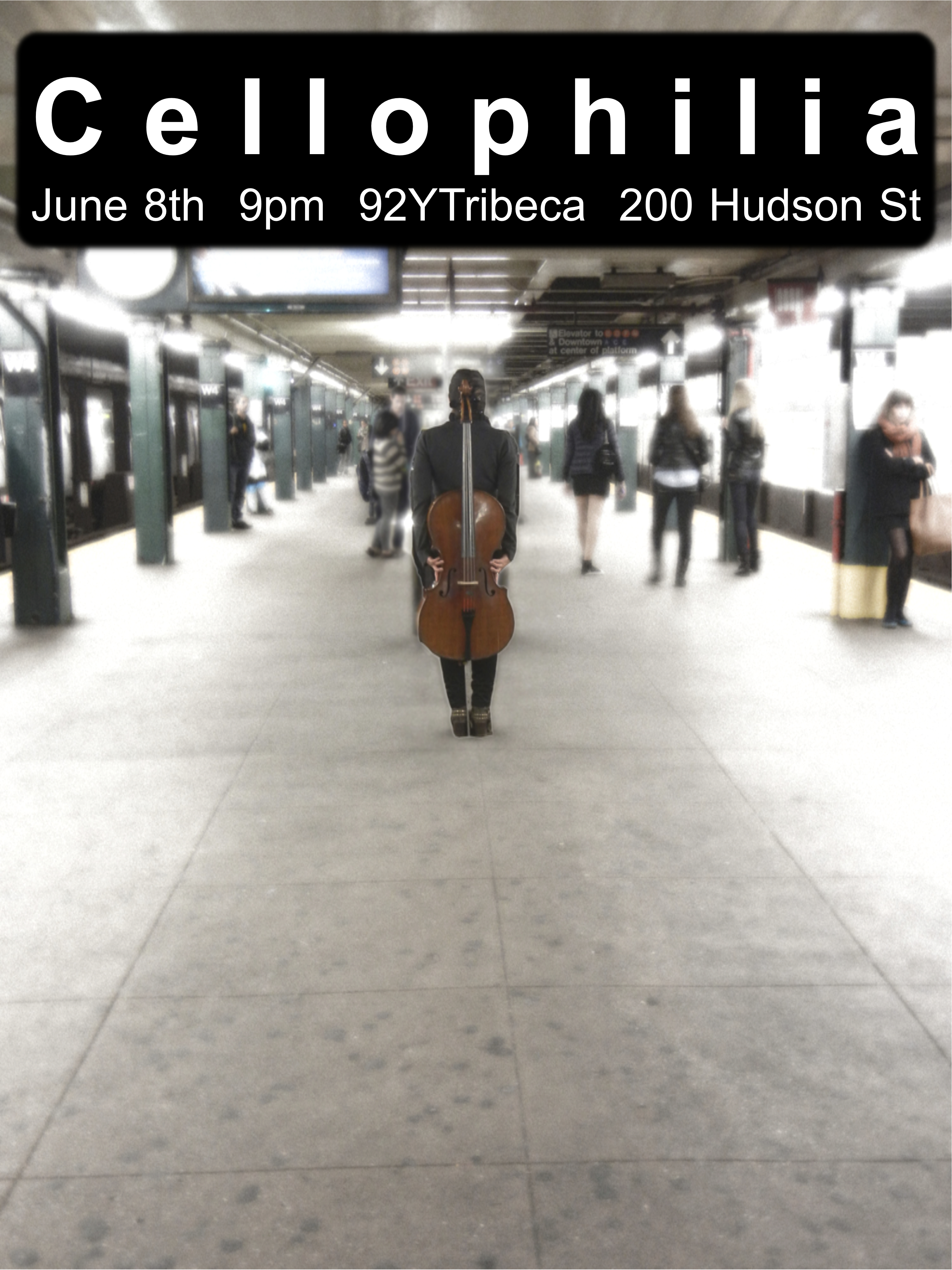
New York-based new music collective West 4th (aka W4) are garnering a wonderful reputation in being very active and decisively creative in concepts for their concert series. This coming June 8th, they will put on an all-cello program titled “Cellophilia” where they will feature music not just for solo cello, but for multiple cellos of 2-8 at a time. There are eight cellists scheduled to appear, among them are
Mariel Roberts, who is also a co-producer of the concert, and Bang On a Can All-Stars’ Ashley Bathgate.
The concert is being funded via Kickstarter. Please click here or on the link at the bottom to donate.
 Composer and W4 co-founder Molly Herron (pictured second from left; although her music is not featured in this concert, she’s also co-producer for the show) and cellist Mariel Roberts (pictured below) both sat down and spoke to me via Skype about the upcoming concert. “It was basically an idea”, stated Molly. “We like to do themes for our concerts, give something to tie it together with something to sink your teeth into, and so the theme for this concert was just ‘works for cello ensemble’. We’ve got a couple of solos on there, but it’s mostly groups of cellos. We’ve got 2 octets, a septet, a quartet, two duets–We just wanted to get together big hunks of cellos, and create new music together”.
The works that are scheduled to be performed (along with pieces by W4’s charter members Matt Frey and Tim Hansen) are written by composers such as Sarah Kirkland Snider, John Zorn and Michael Gordon.
The repertoire is a mix of new and pre-existing pieces. Steve Reich’s Cello Counterpoint makes a rare appearance, and was perfect for a concert of this criteria.
Molly explains. “We really wanted to do the Reich piece for eight cellos, which is so rarely done live with everybody there, and Mariel really helped us a lot with what was already established”.
 “Cello ensemble has been getting a lot more popular lately,” adds Mariel. “The instrument has such a wide range, it’s easy to write for an ensemble of all of that instrument. The John Zorn piece that I wanted to program (777) is actually this really unbelievably cool piece for cello trio, but it’s only really been played once because it’s super hard! He’s a nice guy, and luckily he was really up for putting it on there.”
Some pieces a bit closer to home were also perfect. Molly explains, “Three of us studied with Michael Gordon–we all really love his music and wanted to do Light is Calling, which is a specialty for Ashley Bathgate, so we’re lucky we got her on board.
My co-producer Matt Frey had an existing octet that had never been performed. One of the main motivations of this concert was that he really wanted to get it done, so he’s been reworking it a bit”.
For the Cellophilia show, Herron had decided that they would try to get the best available cellists for the job. “Mariel is a good friend of ours from way back, and Ashley is a friend of ours as well. Mariel came on-board to co-produce because our knowledge of the cello literature was insufficient to really do the best job for this concert. Then we asked Ashley, and we asked both of them for suggestions of other people–we found Robert Karpay, who’s a cellist, but now has become primarily a composer, so it was kind of a perfect opportunity to have a cellist-composer on the concert, so we’ve got Rob doing a piece called Three Programmatic Duos that will also feature Brian Snow”.
This concert is something that Molly and W4 hope will help to bring an unbiased attraction to the new music productions. “The thing about this collective is that it’s more about the scene than it is about the individuals. It’s more about new music, period. It’s about making the new music world bigger, better, richer, and heard more.
Our task right now is to invite people back. You say ‘new music’ or ‘contemporary music’ or ‘modern music’, and they have this instant understanding of what that is that’s totally off base. They think ‘music that’s fiercely atonal and designed to make me angry or designed to make me uncomfortable’. I think this is something that Bang On a Can helped to achieve, but one of the things that all of us are focused on doing right now, is to say ‘Wait, come back! Come listen!’, and just trying to get people to open their minds again.
If you take the label off–If we were to take the Zorn piece and put it on the street, and people were just walking by, people would be walking up and going ‘OMG, that’s so cool!’, but if you put it on a concert of contemporary music, and say ‘777–This is a very challenging piece’ in the program notes, people are like ‘ahh, I can’t listen to this'”.
Mariel adds, “That’s why I’m kind of encouraged about where new music is going right now. It can be a really slippery slope in a good way, in that people find one new music piece that they really love and that connects to them, because new music is so diverse, that really opens the door wide open to acceptance of other kinds of music, as soon as there isn’t that barrier, they can feel free to see what they like or don’t like. I’m really encouraged that that’s becoming more possible now”.
W4’s Cellophilia is set to take place on June 8th, 9 PM at 92Y Tribeca in New York. Among other great things from various amounts, you can get a digital download of the concert starting at 10 dollars.
Click here to make a donation to the W4 Cellophilia Kickstarter drive