Episodic Memory (Exceptet play the music of Brendon Randall-Myers) (cmntx 050)
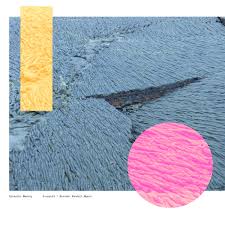
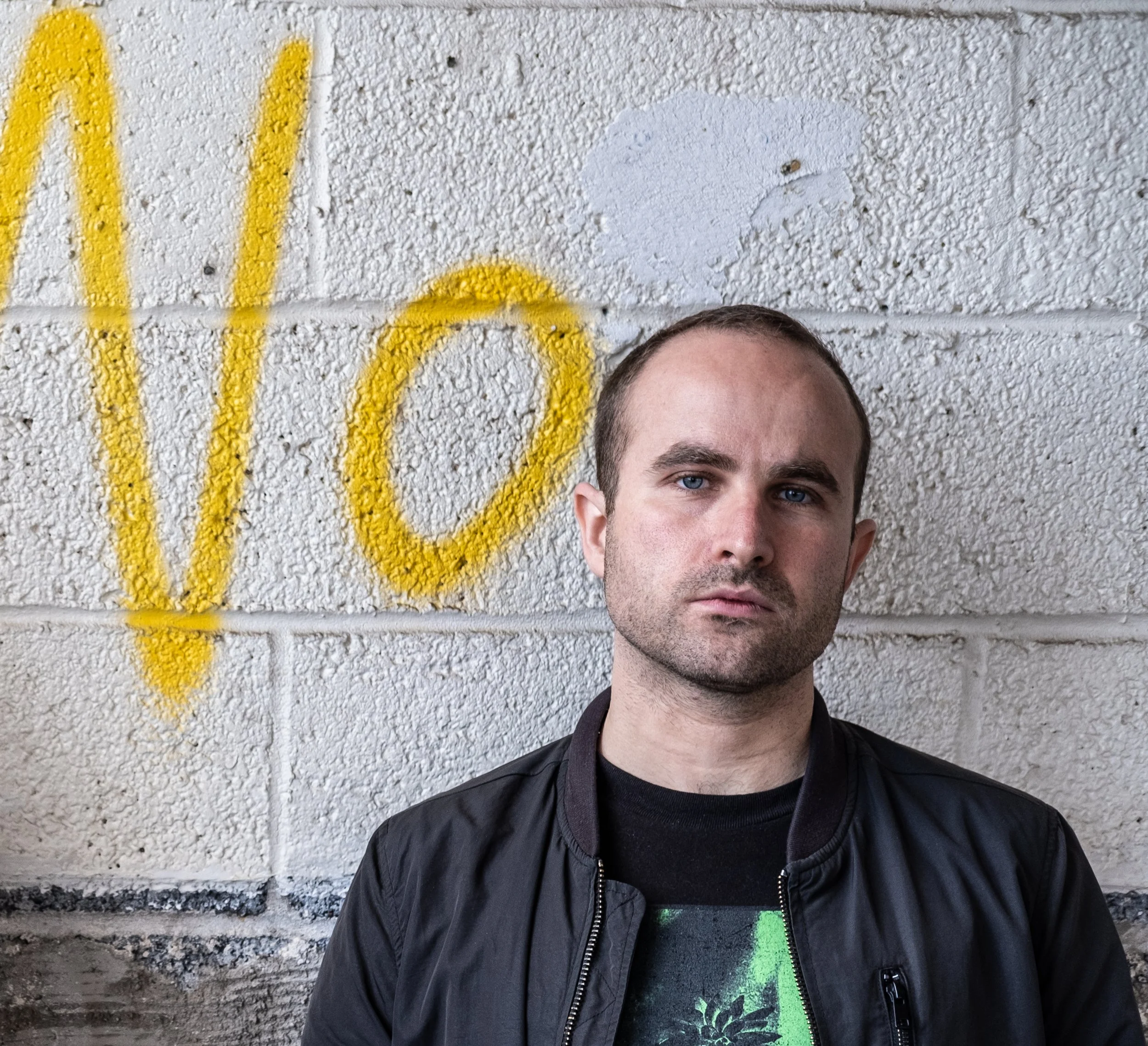
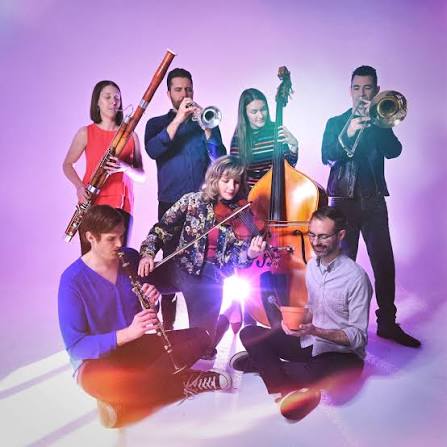
Founded by the amazingly talented and versatile violinist Sarah Goldfeather and clarinettist Chuck Furlong, dynamic new music septet Exceptet are one of New York’s most distinctive ensembles. Their fearless approach to challenging contemporary music can be heard on this latest release of music by Brooklyn-based composer and guitarist Brendon Randall-Myers.
Called Episodic Memory, the album kicks off with Chopsticks—its craggy, pointillistic, and fissured surfaces evoking New York City’s urban urgency and intensity. This is a street-level view of city life where nervous, agitated drum and bass-style rhythms rattle on metal-sounding percussion, flitting hyperactively from one math rock-like module to another. Doppler-type waveforms on woodwind and brass recall timelapse footage of late-night interstate traffic. Punky, pogo-stick pulses zoom into view before being squatted away by rasping brass, slasher-style violin and clanking DIY-sounding drums.
Suggesting a strange and hybrid mix of Michael Gordon, Glenn Branca (Randall-Myers performed in Branca’s ensemble between 2016–2020), Angine de Poitrine, and EDM, Chopsticks devours everything in its wake: its crazy repetitive loops finally erupt into a rapturously anthemic, pentatonic, chant-like chorale. Exceptet embrace Chopsticks’ challenges with bold energy and enterprise, negotiating Randall-Myers’ hyper-complex rhythmic layers, tight corners, and tightrope transitions with gutsy conviction and exemplary control.
The second piece, Lie Down, offers a different take on Randall-Myers’ music. Inspired by the Anglo-Scottish murder ballad Lord Randall, the folk-gothic song conjures up an Edgar Allan Poe-like spirit world of distant tolling bells, ghostly glissandos, and windswept tremolandos. Mournful, rueful, fatalistic, grainy and sepia-toned, it floats along in a trance-like fashion which suggests Berio’s Folk Songs on tranquilizers. The faux-traditional melody and Kate Bush-style chorus is sung with austere conviction by Sarah Goldfeather, very much in the vibrato-less tradition of Shara Nova, Caroline Shaw, Micaela Haslam of Synergy Vocals, and Emily D’Angelo (particularly on her album Freezing).
The three-movement Episodic Memory (learning to hurt) which ends the album is arguably the most complex and multilayered of Randall-Myers’ three works. Its first movement (subtitled new muscles) is replete with elongated lines and pitches (and their close microtonal relatives), exchanged between members of the ensemble in a kind of rhythmic pass-the-parcel. These volcanic psycho-eruptions explode into a series of sonic spasms before returning full circle.
The second movement (all in your head) swaps long pitches for short, the first movement’s material reinterpreted as if through a distorted musical mirror. The third movement (correction – contraction) begins with deep microtonal breathing on double bass accompanied by fleeting, fluttering responses from the ensemble, before being swept along by the kind of Doppler-effect idea heard in Chopsticks. These manifold textures build in intensity and urgency to a frenzied trumpet-led evisceration of everything that had led up to that moment. Ecstatic yet dystopian, negative yet positive, cathartic yet nonetheless trapped inside its own spiralling sonic sphere, Episodic Memory (learning to hurt) yields, in Eric Shanfield’s words, ‘huge, oscillating masses of sound.’ At the same time, these masses of sound carry within them an ambiguity and alienation that speaks to the polycrisis and anomie lying at the heart of society’s present-day predicament. Definitely worth checking out.