On Wednesday, I hopped in my car and drove two hours east to hear the
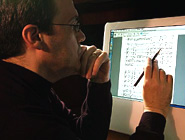
North Carolina Symphony in rehearsal. That’s a ways to go to hear a rehearsal, but this wasn’t just any rehearsal: the orchestra was devoting 45 minutes to a new work by Joseph Edwards. I was honored to be there, because I got to sit next to the composer.
The composer happens to be a student of mine.
Two years ago, The North Carolina Symphony announced a competition for composers in the state under the age of thirty. As one of the three finalists, Joseph spent a couple of days last January hanging out with their Music Director Grant Llewellyn along with guest composers Jennifer Higdon and Edgar Meyer. He also got valuable professional advice from several members of the orchestra’s staff and administration. The finalists were given feedback on the pieces they had submitted, then they were given four months to revise and resubmit.
The news that Joseph had won first prize came early last June.
As the competition winner, Joseph gets a nifty cash prize along with professionally prepared, published score and parts, a recording session, and a performance next season. I was happy to tag along for this event, and another student, James Stewart, was able to come as well.
The orchestra, under the direction of Assistant Conductor
Joan Landry, did a lovely job with the piece, quickly refining balances and tempos until the music really shone. The ensemble work was outstanding, and the solo passages were magic. The North Carolina Symphony is in excellent shape, one of a number of great orchestras in this country that gets significantly less attention than it deserves, while other, lesser orchestras get a steady dose of media coverage. Their Meymandi Hall dates from 2001, and it’s a fantastic place to listen to music, with that elusive combination of clarity and resonance.
And I’ve got to hand it to the orchestra for taking its responsibility to the music of our time, and of the future, so seriously. These kinds of initiatives are cropping up in various places in the country, which is a very heartening sign.
I’m very proud of Joseph: his piece is handsome and evocative. He’s just a college junior, but he managed to avoid every trap that novice composers typically make when writing for orchestra. And I’m especially proud of how little I had to do with this piece: I don’t think I’ve ever given so little critical feedback to an orchestral work by a student composer before. Joseph truly wrote the piece himself.
As nice as it was to hear Joseph’s music come to life, it was also wonderful to spend four hours in a car with these two young composers, talking about writing, listening and whatever else came to mind. They are both widely traveled, curious and thoughtful fellows; I learn a lot from listening to them.